How to Choose Safe and Stimulating Toys for Your Pet
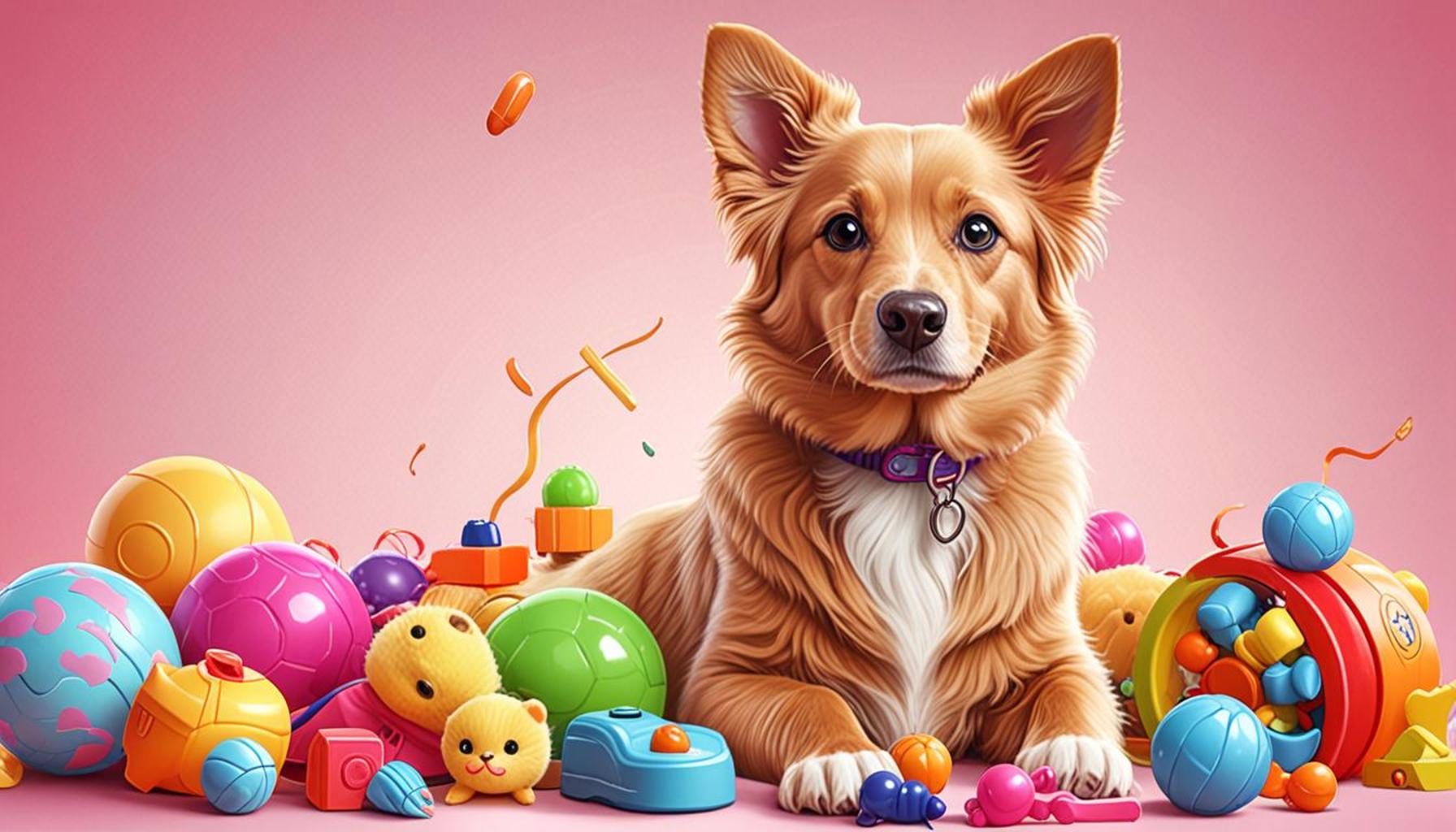
Understanding the Importance of Choosing the Right Toys
Selecting appropriate toys for your furry friend is no small feat in the vast marketplace of pet supplies. A myriad of options exists, ranging from squeaky plush toys to interactive puzzle feeders, each designed with its own appeal. As a responsible pet owner, it’s critical to ensure that the toys you choose are engaging, durable, and above all, safe. Grasping the traits that define high-quality pet toys can significantly enhance your pet’s play experience and overall well-being.
Benefits of the Right Toys
Toys serve more purposes than mere entertainment; they are essential tools in promoting a happy, healthy lifestyle for pets. Here are some of the core benefits:
- Mental stimulation: Toys such as treat-dispensing puzzles or interactive ball launchers challenge your pet’s cognitive abilities, preventing boredom and destructive behaviors. For example, a dog may enjoy a puzzle that requires them to nudge a compartment to get to a treat, effectively engaging their problem-solving skills.
- Physical exercise: Active toys like frisbees or ropes encourage your pet to run and play, which is vital in managing their weight and keeping them fit. According to various pet care experts, dogs should engage in at least 30 minutes of physical activity daily; toys can be an excellent way to achieve this goal.
- Teething relief: For puppies with sore gums, chew toys made from softer rubber or silicone can provide comfort and distraction. These toys are designed to soothe teething pain while promoting healthy chewing habits, ensuring your puppy doesn’t turn to furniture for relief.
Evaluating Toys: Essential Characteristics
When shopping for pet toys, it’s important to understand that not all toys are designed equally. Evaluating the materials and designs is essential for ensuring your pet’s safety. Here are key factors to consider:
- Durability: Opt for toys crafted from robust materials that can withstand the enthusiastic play of your pet. For instance, rubber toys are often more resilient than plush toys and can last significantly longer with active chewers.
- Safety: Safety should always be a top priority. Avoid toys that contain small detachable parts that could pose a choking hazard for pets. Products designed specifically for their size and breed can minimize risks.
- Non-toxic materials: Ensure that the toys are free from harmful chemicals, especially those that may contain lead or phthalates. Look for toys labeled as “pet-safe” or “non-toxic” to ensure peace of mind.
Personalizing Your Choices
When you traverse the toy aisle, consider factors such as your pet’s size, breed, and individual play style. A small breed dog may find a large rope toy challenging, whereas a larger breed might benefit from a more substantial chew toy. Additionally, some pets may prefer solitary play with toys they can manipulate alone, while others thrive on interactive toys that engage their human companions. Thoughtfully selecting toys can not only enrich your pet’s life but also foster a stronger bond between you and your furry friend.
To further inform your choices, conduct a bit of research and explore reviews from other pet owners. Perhaps even investigate local pet stores that may offer specialized toys tailored to specific breeds or sizes. By arming yourself with knowledge and options, you can ensure that the toys you provide truly enhance your pet’s quality of life while keeping them safe and engaged.
DISCOVER MORE: Click here to learn about the significance of environmental enrichment for pets
Recognizing the Role of Play in Your Pet’s Life
Playtime is an integral aspect of your pet’s daily routine, influencing both their physical well-being and emotional health. Engaging with toys not only fosters a sense of joy and adventure but also strengthens the bond between pet and owner. Choosing the right toys can turn playtime into a rewarding experience for both you and your furry companion. Understanding the type of play that best suits your pet’s personality will help you make informed decisions about their toys.
Types of Play and Toy Selection
Pets engage in a variety of play styles, from solitary chewing to interactive games with their human friends. Recognizing these styles is key to selecting toys that will cater to your pet’s needs. Here are some common types of play:
- Active Play: Dogs particularly thrive on active play, which involves running, jumping, and fetching. Toys such as frisbees, balls, and rope tug toys are excellent choices that stimulate physical activity while also encouraging social interaction.
- Explorative Play: Cats and even some small dog breeds enjoy toys that allow them to explore their environment. Consider investing in interactive toys or feather wands that provoke your pet’s natural hunting instincts, giving them a chance to chase and pounce.
- Chewing and Teething: For young pets or aggressive chewers, durable chew toys made from tough materials can protect your belongings while providing necessary dental support. Look for options such as rubber chews or teething rings that serve a dual purpose of entertainment and health.
Monitoring Your Pet’s Interaction with Toys
Once you’ve curated a collection of safe and stimulating toys, it’s important to actively monitor how your pet interacts with them. Some toys may not hold their interest as long as anticipated, or they may display behaviors such as aggressive chewing or disinterest. Regularly assessing their engagement level will ensure you can adapt and replace toys as needed. Pay attention to the following:
- Interest Level: Take note of which toys elicit excitement and which ones are ignored. Rotating toys can maintain novelty and encourage consistent play.
- Wear and Tear: Always check for signs of damage; toys that are worn down or have missing parts can be hazardous. A broken toy can present choking risks or cause injuries.
- Behavior Changes: Abrupt changes in play behavior might signal a discomfort or a preference issue. If your pet shows signs of anxiety or aggressive behavior while playing, it may indicate that a toy is not suitable for their needs.
By keenly observing your pet’s play habits and preferences, you can make better choices to enhance their playtime experience. Remember that toys should be a source of joy and stimulation, reflecting the unique personality of your beloved pet. Equip them with the right items, and watch them flourish in an environment filled with engaging, safe, and enjoyable play.
Exploring the Importance of Safe and Stimulating Toys
Selecting the right toys for your pet extends beyond mere entertainment; it serves a crucial role in their mental stimulation and physical well-being. Engaging toys can fight boredom, which is vital for pets that spend significant time alone. Boredom can lead to destructive behavior, stress, and even health issues. This is why understanding the types of toys available and their respective benefits is integral to pet ownership.
Materials Matter
When choosing toys, the materials used in the construction are of utmost importance. Safe options should be free from harmful chemicals and toxins. Look for toys made of natural rubber, non-toxic plastic, or durable fabrics. Products labeled as “pet-safe” often undergo rigorous testing, ensuring they meet safety standards. It’s also essential to regularly inspect toys for wear or damage; frayed edges or cracks may pose a choking hazard.
Types of Toys
A wealth of toy types caters to different pet needs, promoting both safety and stimulation. Interactive toys, for instance, can foster your pet’s cognitive development while providing hours of fun. Toys like puzzle feeders encourage problem-solving and physical activity, allowing pets to work for their treats, thus engaging both mind and body. On the other hand, chew toys are fantastic for dental health, helping to keep your pet’s teeth clean while satisfying their natural urge to chew.
Advantages of Choosing Proper Toys
To further illustrate how essential the selection of the right toys is, here’s a concise overview of the advantages of choosing safe and stimulating toys for your furry friend:
| Category | Benefits |
|---|---|
| Mental Stimulation | Promotes cognitive skills and reduces anxiety. |
| Health and Wellness | Improves physical activity and supports dental hygiene. |
By selecting toys that promise safety and engagement, you create an enriching environment for your pet, one that stimulates their senses and supports their overall health. Choosing the right toys is not merely a fun endeavor; it’s crucial for their happiness and well-being, ensuring they receive the play and stimulation they truly deserve.
DIVE DEEPER: Click here to discover the latest trends in pet nutrition
Safety Considerations in Toy Selection
When it comes to choosing toys for your pet, safety should be your top priority. Every year, countless pets suffer injuries due to unsafe toys or materials. Understanding the potential hazards can significantly decrease the risk to your beloved furry friends. Here are some safety guidelines to consider:
Material Matters
The materials used in pet toys can greatly influence their safety and durability. Look for toys made from non-toxic, BPA-free materials that are safe for your pets. Avoid toys made from materials that can easily break down, such as cheap plastics or soft foam, as these can pose choking hazards or may be ingested, leading to serious health issues. Many reputable brands will have safety certifications on their packaging, giving you peace of mind.
Size and Shape Considerations
Choosing the right size toy is also essential. A small toy could be a choking hazard for larger pets, while oversized toys may be difficult for smaller animals to play with. A general rule of thumb is that toys should be larger than your pet’s mouth but small enough to be handled easily. Additionally, consider the shape of the toy; for example, a round ball may roll under furniture and become difficult to retrieve, potentially leading to anxiety or frustration for your pet.
Avoiding the Most Common Toy Hazards
Be mindful of toys with small parts, removable squeakers, or loose strings. These elements can easily be swallowed or chewed off, resulting in choking or intestinal blockages. It’s advisable to avoid toys with bells or other sound-producing components that could cause annoyance or distress to your pet. Instead, seek out durable toys that stand up to rigorous play while minimizing the risk of accidents.
Age-appropriate Toys
Your pet’s age can significantly influence their toy needs. Puppies and kittens often require toys specifically designed for teething, while older pets may benefit from interactive toys that provide cognitive stimulation. Additionally, senior pets may have specific needs, such as toys that are easy to grip and gentle on their teeth or gums. Always match the toy’s design and durability with your pet’s age and chewing habits.
The Role of Supervision
Even the safest toys can pose risks if not monitored properly. Engaging in playtime with your pet allows you to closely observe their interaction with toys and intervene if necessary. Supervision can also help you determine whether a toy remains interesting and appropriate for your pet over time. Regularly taking inventory of your pet’s toy collection ensures safer play experiences and promotes ongoing excitement during playtime.
Consulting with Professionals
If you’re ever in doubt about which toys are safest and most suitable for your pet’s unique needs, don’t hesitate to consult a veterinarian or a pet behaviorist. They can provide personalized recommendations based on your specific pet’s breed, age, and temperament. Additionally, they often stay updated on recent toy recalls or safety advisories that may not yet be widely known to the public.
In summary, ensuring that your pets enjoy safe and stimulating playtime hinges on your ability to recognize potential hazards, choose appropriate materials, and tailor toy selection to your pet’s specific needs. Take the time to research, observe, and engage, and your pets will thank you with endless joy and healthy play!
DON’T MISS: Click here for tips on keeping your pets’ teeth healthy
Final Thoughts on Selecting the Best Toys for Your Pet
Choosing safe and stimulating toys for your pet is a rewarding endeavor that strengthens your bond and enhances their overall well-being. As we’ve explored, understanding the materials, size, and age-appropriateness of toys can significantly impact your pet’s safety and enjoyment. It’s essential to be vigilant about toy hazards, opting for designs that minimize risks while maximizing engagement.
Moreover, incorporating regular supervision during playtime not only ensures immediate safety but also allows you to assess your pet’s preferences and adaptability. Observing their interaction with various toys helps keep their playtime dynamic and engaging, prompting you to explore new options periodically. Always remember, your pet’s needs may evolve over time, possibly requiring updates to their toy collection.
Lastly, professional guidance can provide valuable insights tailored to your pet’s unique characteristics. Whether consulting veterinarians or pet behaviorists, tapping into expert knowledge can help you navigate the myriad of choices available in the market today. As you embark on this journey to find the ideal toys, you can feel confident that you are investing in your pet’s happiness and health.
By applying the considerations discussed, you’re not just purchasing toys; you’re enriching your furry friend’s quality of life. So, take the plunge – explore, observe, and choose wisely, ensuring that the joy of play remains a safe and stimulating aspect of your pet’s daily routine.
Related posts:
How to Handle Allergies in Pets
Importance of Environmental Enrichment in the Lives of Pets
Animal-Assisted Therapies: Benefits for Physical and Emotional Health
The Importance of Socialization for the Well-Being of Pets
How to Identify Signs of Stress in Pets
The Importance of Dog Socialization in Early Childhood

Linda Carter is a writer and pet care expert specializing in pet health, grooming, and wellness. With extensive experience helping pet owners create safe, loving, and enriching environments for their animals, Linda shares her knowledge on our platform. Her goal is to empower readers with practical advice and strategies to ensure their pets thrive and lead joyful, healthy lives.