From tools to industrial systems
From chipped stone to the factory: how tools, materials, and power sources combined into production systems.
- What is technology
- First tools
- Agriculture
- Metallurgy
- The wheel
- Ancient engineering
- Steam engine
- Factories
GPTSheild is an editorial guide to the history of technology. Follow how tools, materials, machines, signals, and software built on one another, with sources and open questions in plain view.
Selected milestones, from chipped stone to modern networks. Each one leads to an article, and dates that are debated are labeled as such.
Sets of flakes and cores associated with the so-called Oldowan industry appear in East Africa. Even older finds are debated.
Read the articleAccounting tablets with numerical and pictographic signs appear in Mesopotamian cities. Other regions developed writing systems of their own.
Read the articleJohannes Gutenberg and collaborators develop a system of movable metal type, press, and ink suited to Europe. The 42-line Bible dates to about 1455.
Read the articleThomas Newcomen installs a steam engine in England to drain mines. James Watt's improvements follow from the 1760s.
Read the articleCooke and Wheatstone in Britain and Morse and Vail in the United States develop systems. The Washington–Baltimore line is demonstrated in 1844.
Read the articleAlexander Graham Bell obtains a patent in the United States. Priority disputes involving Elisha Gray and Antonio Meucci remain debated.
Read the articleThe electronic computer ENIAC, built at the University of Pennsylvania, is presented in February 1946.
Read the articleJohn Bardeen and Walter Brattain demonstrate the point-contact transistor. William Shockley soon proposes the junction transistor.
Read the articleTim Berners-Lee proposes the system at CERN in 1989. The service becomes public in 1991.
Read the articleThe iPhone is unveiled in January 2007 and Android reaches the market in 2008. Phones with Web access and apps become popular.
Read the articleResearchers present the Transformer architecture, the basis of many later language models.
Read the articleEach trail suggests a sequence of articles and explains why that order works. Mark articles as read to see your progress, with no account needed.
From chipped stone to the factory: how tools, materials, and power sources combined into production systems.
Seven steps in the shrinking of the distance between sender and receiver, from the clay tablet to the cell phone.
The path from batteries and generators to microscopic circuits and programmable machines.
Numerical records, calculators, vacuum tubes, transistors, and software: the building of digital computing.
Wires, waves, and protocols: how signals at a distance became planetary infrastructure.
Regulation, repetition, and programming: the search for machines that act and decide with less human intervention.
Prefer a subject to a timeline? Pick an area and read across eras.
From chipped stone to metals: how people learned to turn matter into instruments.
3 articles →How food, goods, and public works came to be produced, stored, and organized at scale.
3 articles →Muscle, water, wind, steam, and electricity: the sources of power that shaped each era.
2 articles →Writing, paper, printing, the telegraph, the telephone, and radio: information gaining reach.
7 articles →Photography, sound recording, cinema, and television: the technical capture of sensory experience.
4 articles →Wheels, routes, orientation instruments, and the technique of moving safely.
2 articles →From calculating devices to personal computers, by way of transistors and languages.
5 articles →From linking distant machines to the Web: the building of networks and protocols.
2 articles →Machines that repeat tasks, react to their surroundings, and in some cases learn from data.
2 articles →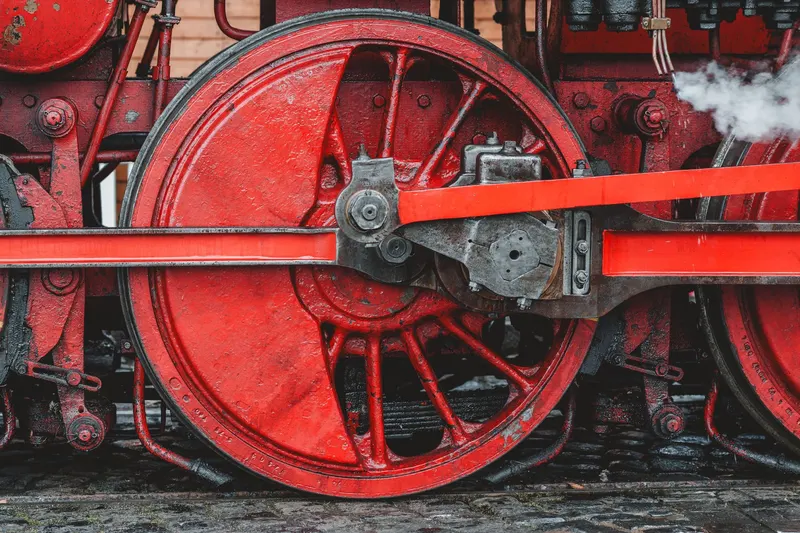
From pumping water out of English mines to driving locomotives, the steam engine was the work of many hands and gave industry power independent of rivers and muscle.

Developed by many inventors in the 1830s and 1840s, the electric telegraph made information travel faster than trains and ships and reshaped railways, the press, and markets.
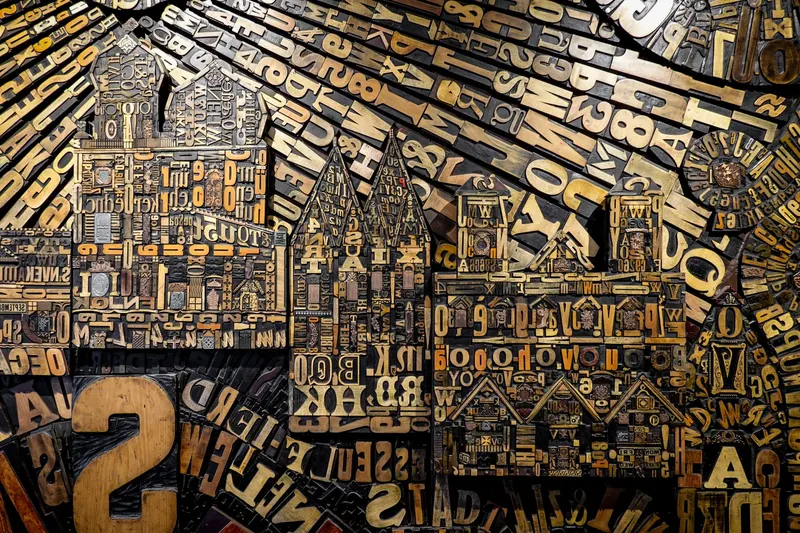
Movable type had Asian antecedents; in Mainz, Gutenberg's workshop combined a type mold, alloy, ink and press into a system for producing books.
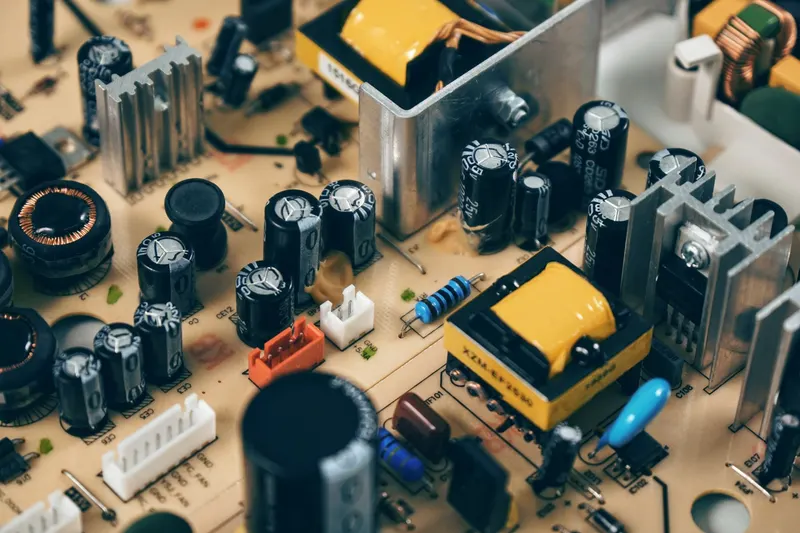
First demonstrated at Bell Labs in December 1947, the transistor replaced vacuum tubes in many roles and made electronics smaller, sturdier and far less power-hungry.

The Web began as a proposal to organize documents at CERN in 1989 and grew into a public system of linked pages, distinct from the Internet that carries it.

Computational intelligence is a research field more than seventy years old, marked by cycles of enthusiasm and reassessment, rival methods and debates that remain open.
Every dot is an article. Rows are technology areas and columns are historical periods. Lines join articles that explain each other, so you can see, for instance, how the telegraph leads to networks or how the transistor leads to the personal computer.
Short, plain-language definitions linked to the articles that use them.
A method of sending data in small, individually addressed packets that may take different routes through a network and are reassembled at the destination.
An electronic circuit whose components and connections are fabricated together on a single piece of semiconductor, commonly called a chip.
Individual, reusable pieces carrying a single letter or character, assembled into lines and pages for printing and then taken apart again.
A view of technology as a combination of machines, people, institutions, rules, and practices that depend on one another, rather than as devices alone.
A material, such as silicon, whose ability to conduct electricity can be controlled, which makes it the basis of transistors and integrated circuits.
A computer that keeps its instructions in memory alongside its data, so it can be reprogrammed without rewiring.
Reviewed September 30, 2026. Recent topics are dated and revisited as new evidence and sources appear.
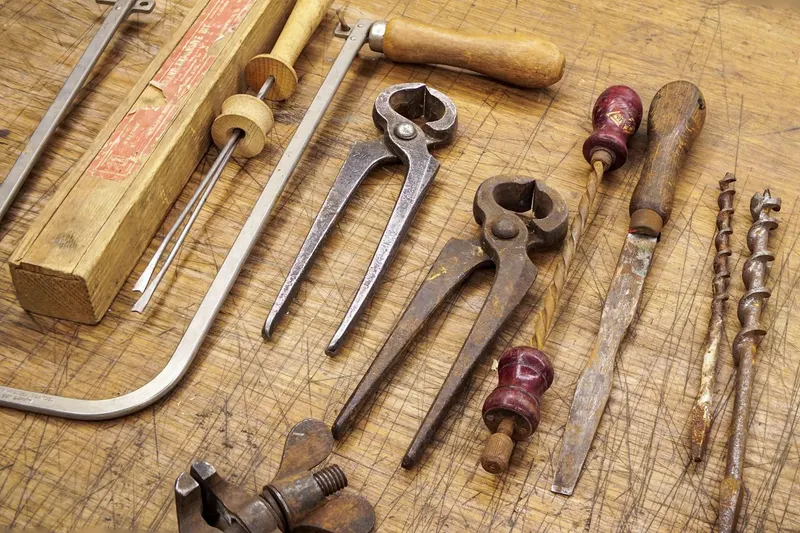
Technology is more than gadgets: it involves techniques, knowledge, and social organization. See how historians study it and where the evidence runs out.
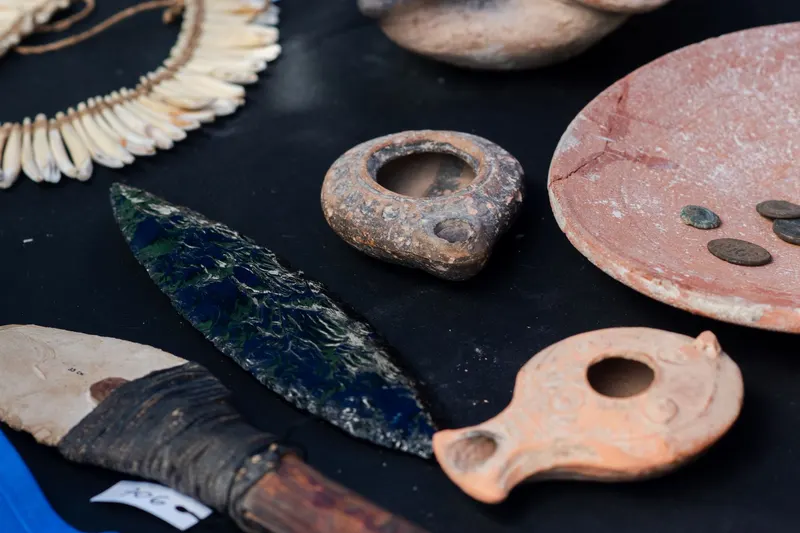
The oldest known stone tools are more than 2.5 million years old and predate Homo sapiens. See how they were made and what the evidence can and cannot tell us.
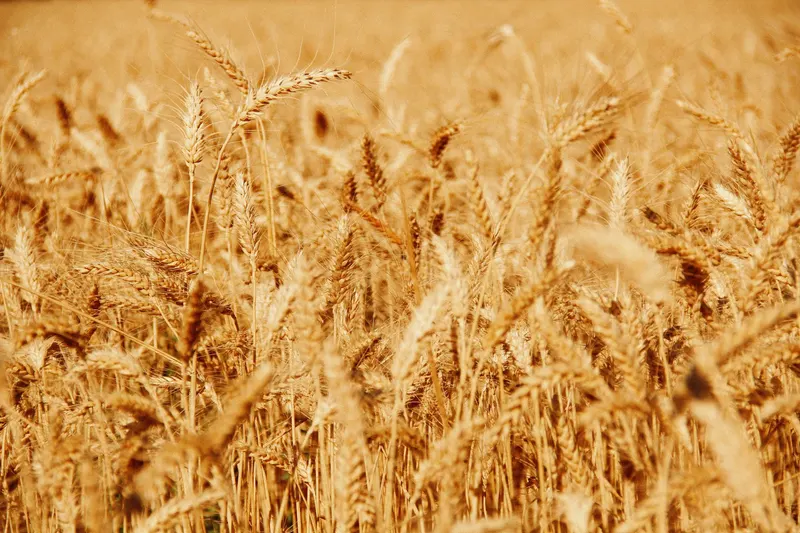
Agriculture arose gradually and independently in many regions. Granaries, sickles, grindstones, and plows brought surpluses and records, but also inequality and disease.
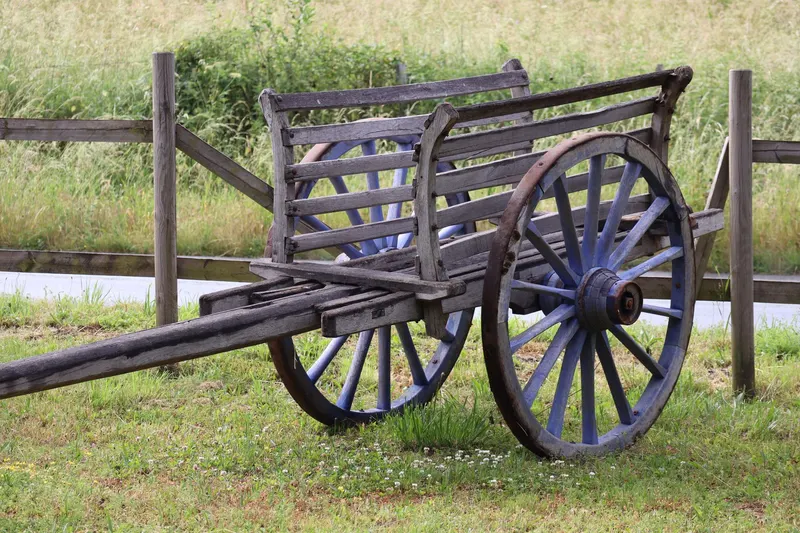
The vehicle wheel appeared in the fourth millennium BCE, with its origin debated. Axles, spokes, mills, and gears grew from it and prepared the ground for steam and factories.
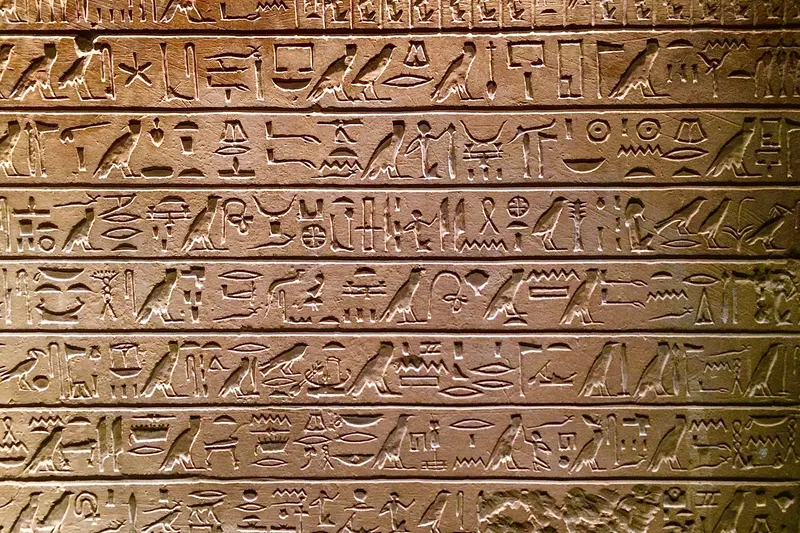
Writing arose independently in more than one region, often tied to administration. See its materials, scribes, the alphabet, and the limits of ancient literacy.
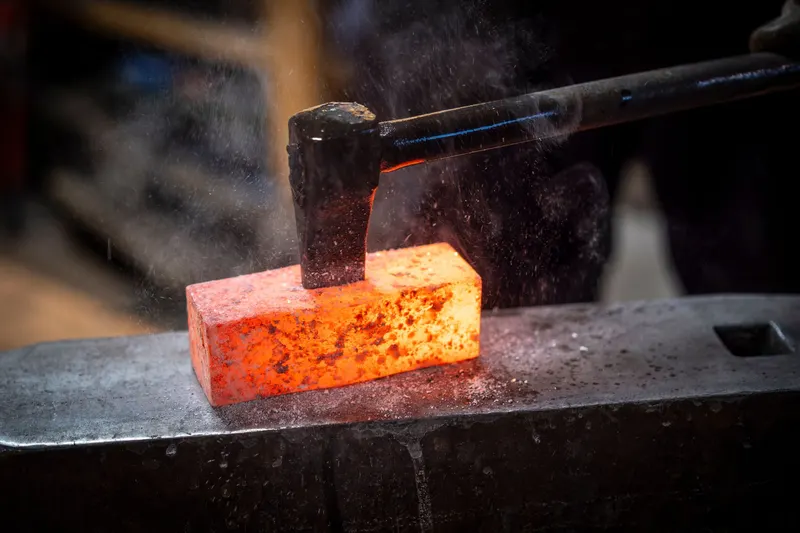
From copper smelting in southeastern Europe to iron furnaces on several continents, metallurgy gave tools, weapons and coins a material that could be melted and reshaped.
Articles rely on museums, archives, universities, technical societies, and peer-reviewed literature. We separate invention, prototype, patent, public demonstration, and commercial adoption, and we say when historians disagree.