Computing
The Transistor and the Miniaturization of Circuits
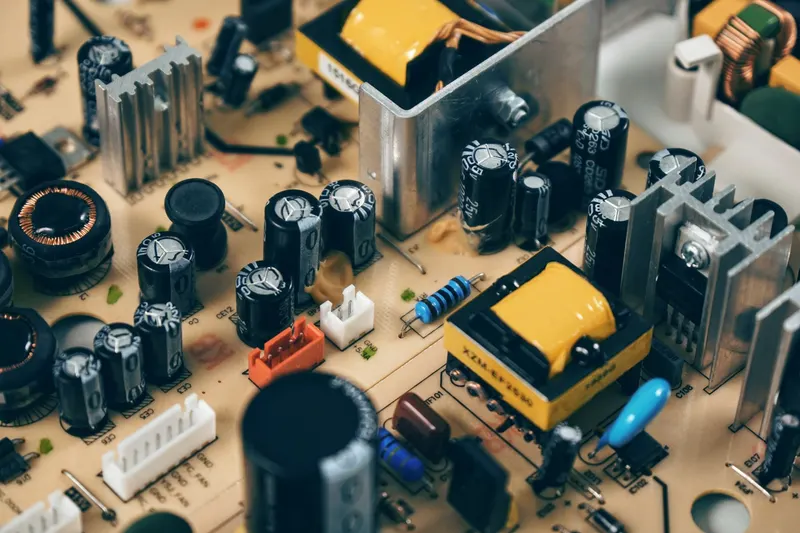
First demonstrated at Bell Labs in December 1947, the transistor replaced vacuum tubes in many roles and made electronics smaller, sturdier and far less power-hungry.
Calculating is an ancient need; automating calculation is an achievement of the twentieth century. The computing area gathers mechanical calculators, the first computers, transistors, integrated circuits, programming languages, and the arrival of computing in homes and offices.
First demonstrated at Bell Labs in December 1947, the transistor replaced vacuum tubes in many roles and made electronics smaller, sturdier and far less power-hungry.
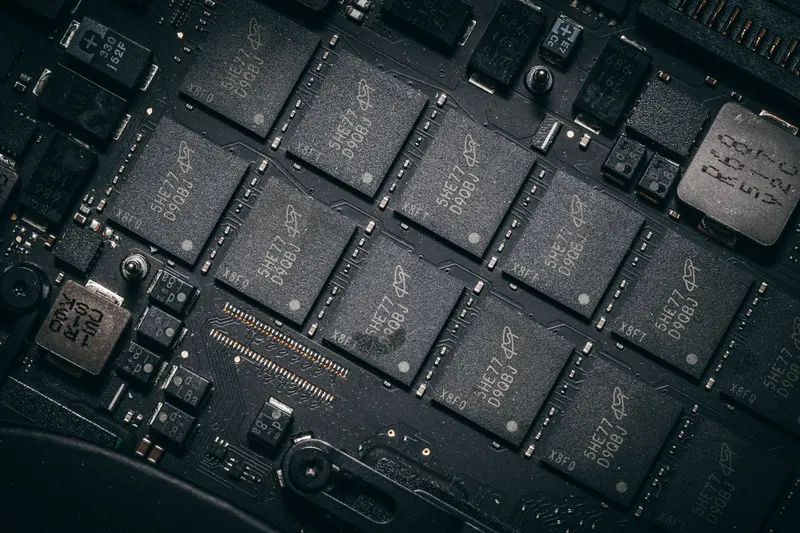
In 1958 and 1959, Jack Kilby and Robert Noyce found ways to build a whole circuit in one piece of semiconductor, ending the hand-wiring of components.
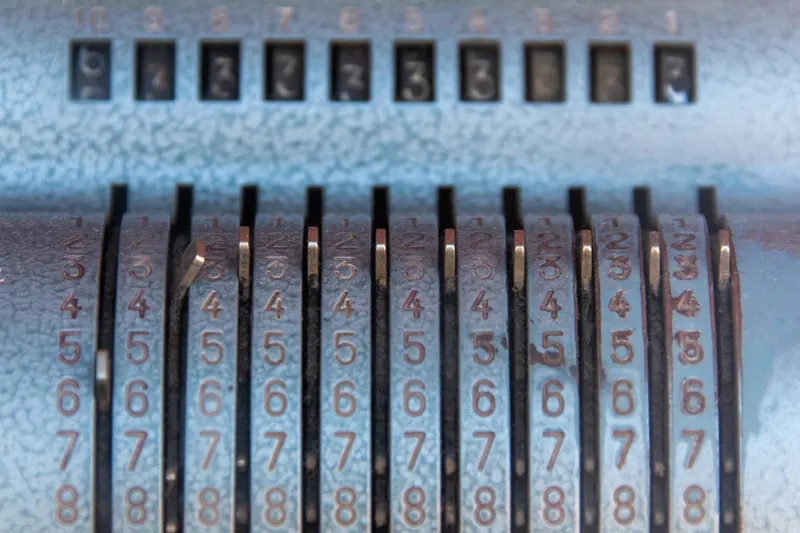
From the 17th century to 1951, mechanical calculators, punched cards and wartime projects led to the first electronic computers and the stored program.
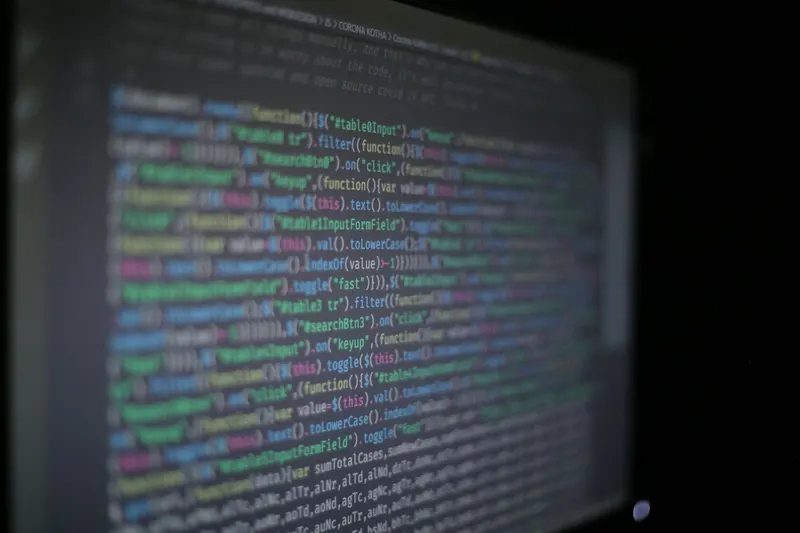
From numeric machine codes to FORTRAN, COBOL, C and Java, a history of how programming grew closer to human reasoning.
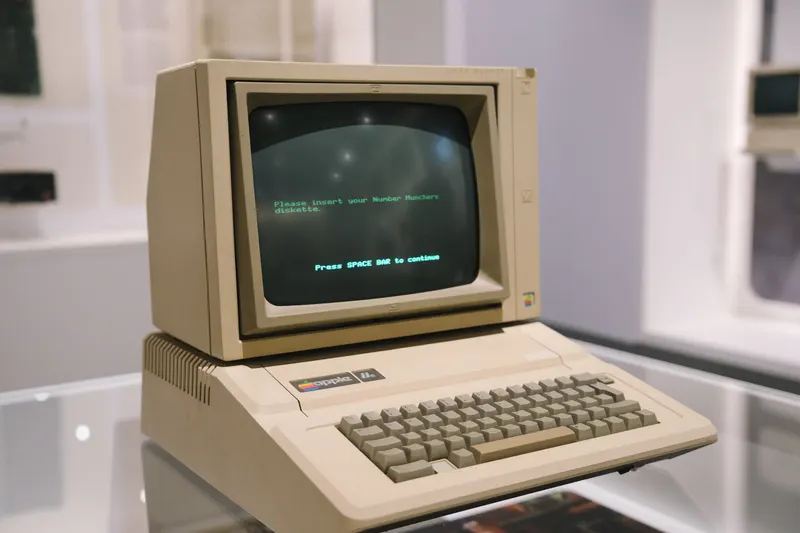
Microprocessors, build-it-yourself kits, spreadsheets, the IBM PC and graphical interfaces carried the computer from large institutions to desks and living rooms.
The electronic computer ENIAC, built at the University of Pennsylvania, is presented in February 1946.
Read: First computers →John Bardeen and Walter Brattain demonstrate the point-contact transistor. William Shockley soon proposes the junction transistor.
Read: Transistor →IBM makes FORTRAN available, one of the first widely used high-level programming languages.
Read: Programming languages →Jack Kilby of Texas Instruments demonstrates an integrated circuit in 1958. Robert Noyce of Fairchild proposes a planar silicon version in 1959.
Read: Integrated circuits →The Apple II, Commodore PET, and TRS-80 reach the market in 1977, aimed at homes and small businesses.
Read: Personal computer →IBM launches the PC, whose relatively open architecture encourages clones and third-party software.
Read: Personal computer →