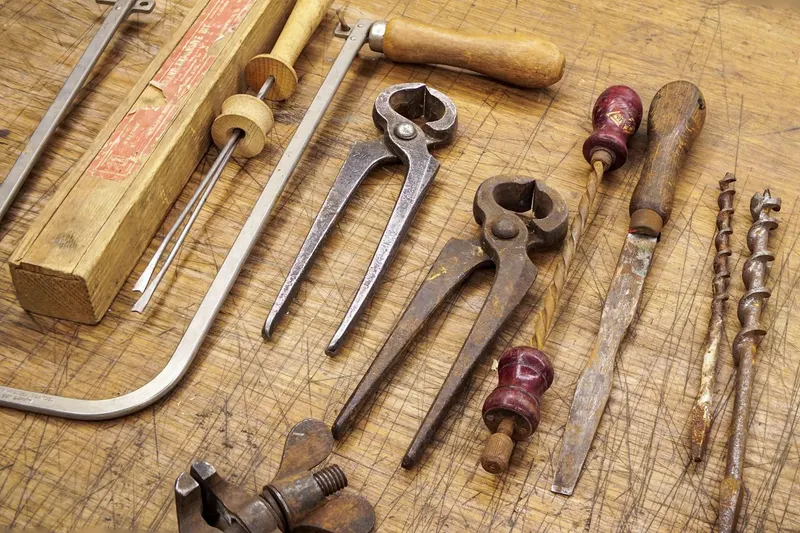
Tools and materials
What Technology Is and How Its History Can Be Studied
Technology is more than gadgets: it involves techniques, knowledge, and social organization. See how historians study it and where the evidence runs out.
All 30 articles. Filter by area, period, or reading status, or search within the library.
Showing 30 of 30 articles
Technology is more than gadgets: it involves techniques, knowledge, and social organization. See how historians study it and where the evidence runs out.
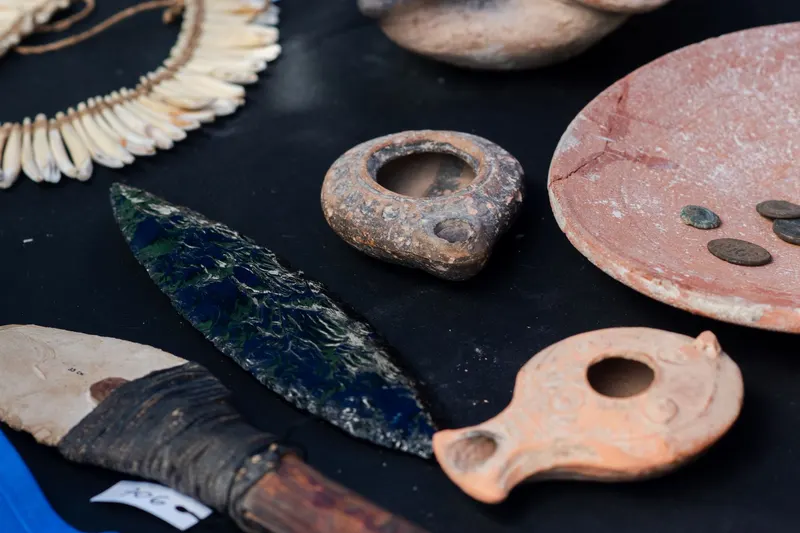
The oldest known stone tools are more than 2.5 million years old and predate Homo sapiens. See how they were made and what the evidence can and cannot tell us.
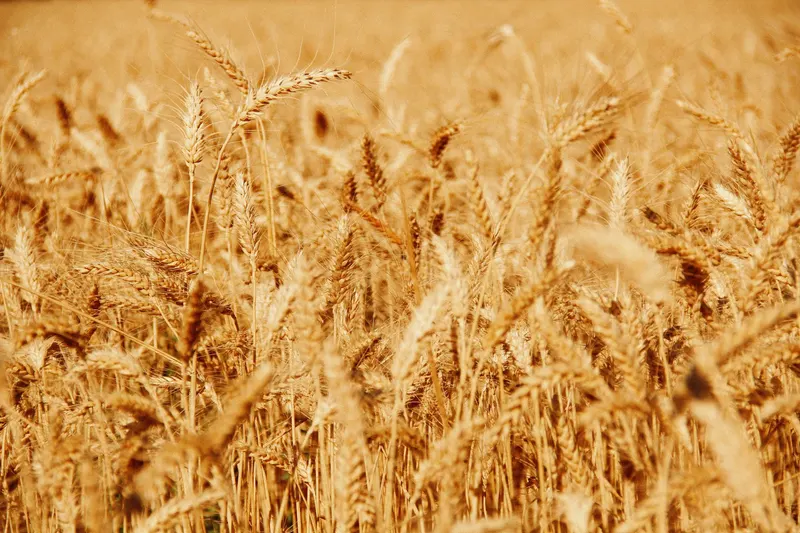
Agriculture arose gradually and independently in many regions. Granaries, sickles, grindstones, and plows brought surpluses and records, but also inequality and disease.
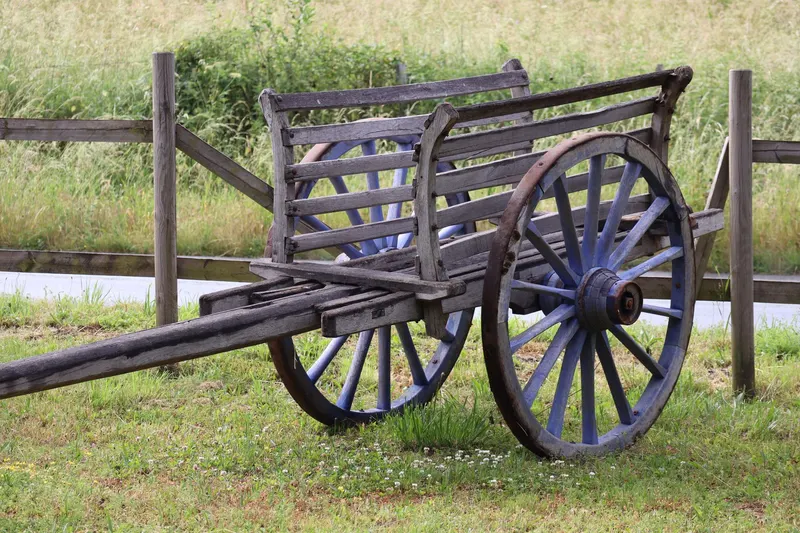
The vehicle wheel appeared in the fourth millennium BCE, with its origin debated. Axles, spokes, mills, and gears grew from it and prepared the ground for steam and factories.
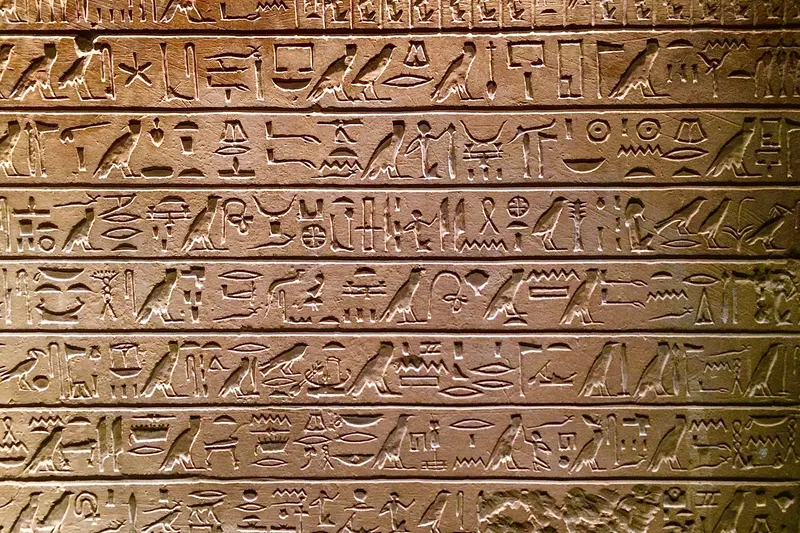
Writing arose independently in more than one region, often tied to administration. See its materials, scribes, the alphabet, and the limits of ancient literacy.
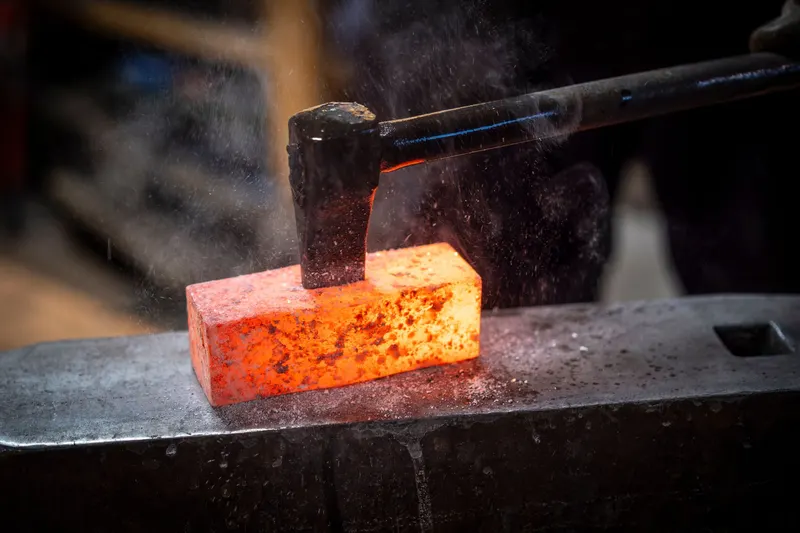
From copper smelting in southeastern Europe to iron furnaces on several continents, metallurgy gave tools, weapons and coins a material that could be melted and reshaped.
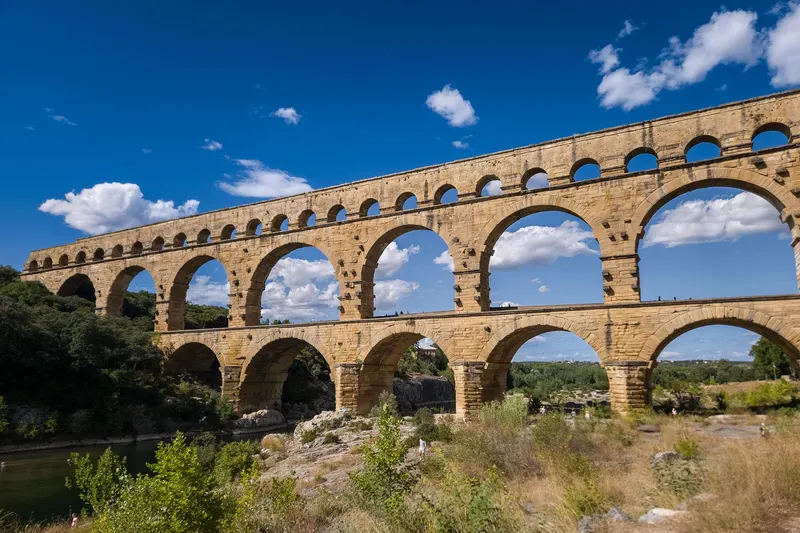
Aqueducts, roads, cranes, mills and the Antikythera Mechanism show both the reach and the limits of engineering in the ancient world.

Paper emerged in China and spread across Asia, the Islamic world and Europe, cutting the cost of writing and preparing the ground for printing.
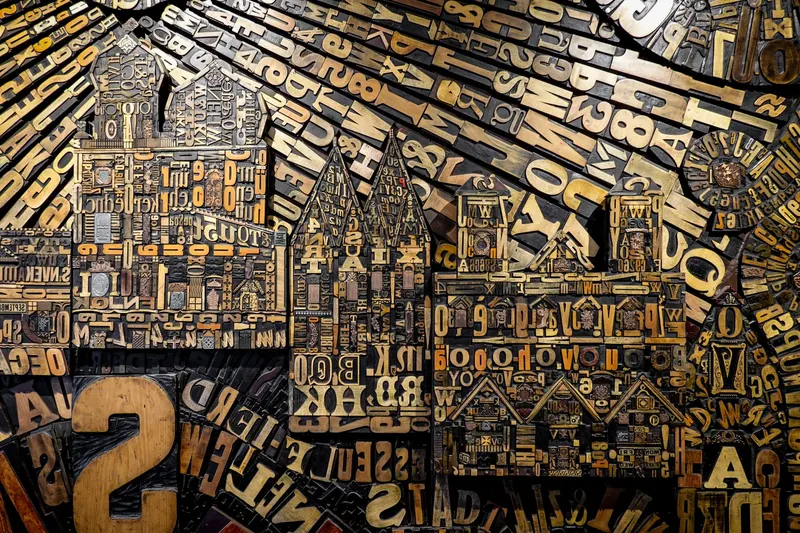
Movable type had Asian antecedents; in Mainz, Gutenberg's workshop combined a type mold, alloy, ink and press into a system for producing books.

From Polynesian wayfinding to the astrolabe, the compass and Harrison's chronometer, navigation combined observation, instruments and charts to cut risk at sea.
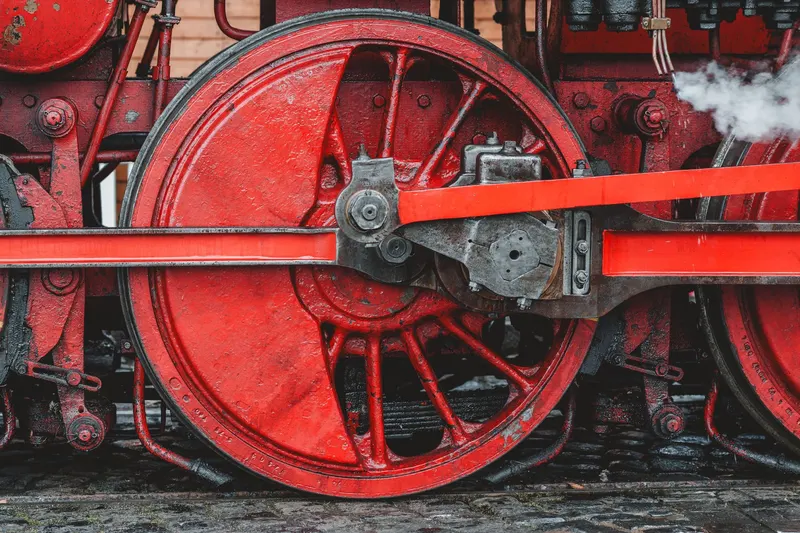
From pumping water out of English mines to driving locomotives, the steam engine was the work of many hands and gave industry power independent of rivers and muscle.
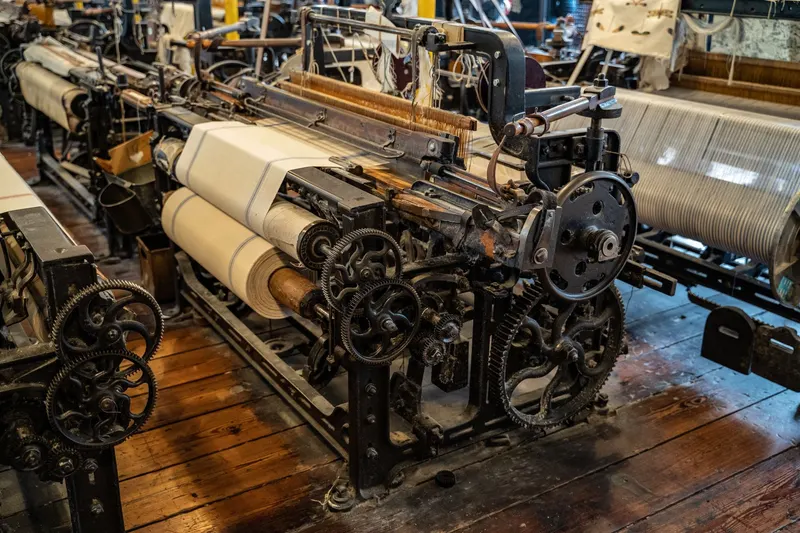
The factory brought machines, power and workers under one roof and one clock, from the spinning mills of Cromford to the assembly lines of the twentieth century.

Electricity went from laboratory curiosity to a system of generation and distribution through many inventors, engineers, and commercial and patent disputes.
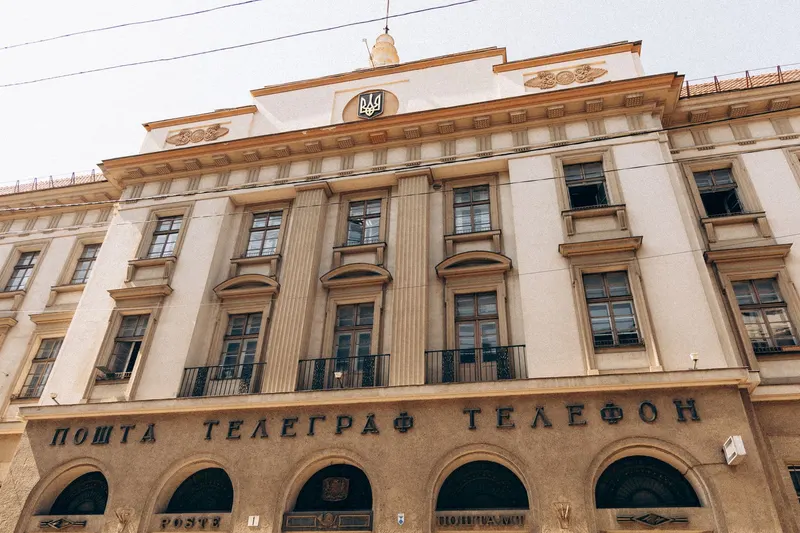
Developed by many inventors in the 1830s and 1840s, the electric telegraph made information travel faster than trains and ships and reshaped railways, the press, and markets.
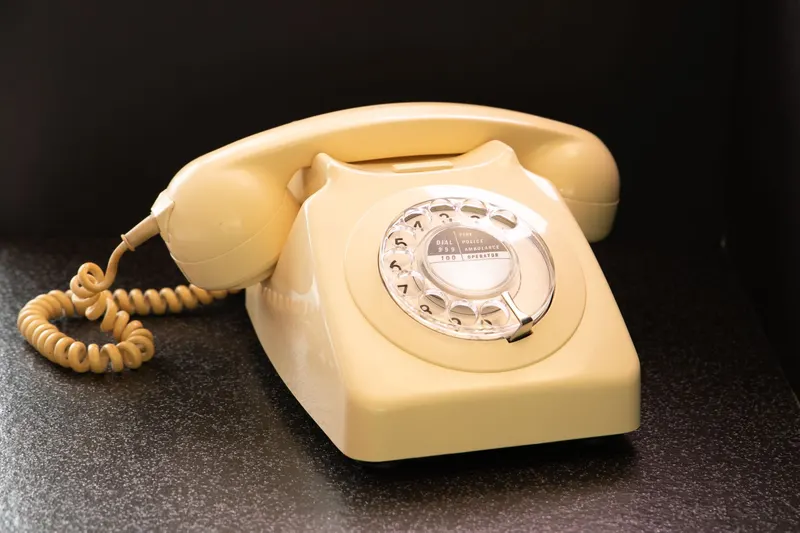
The telephone grew out of collective and contested research on sending the voice over wires, and evolved from manual switchboards to global digital networks.
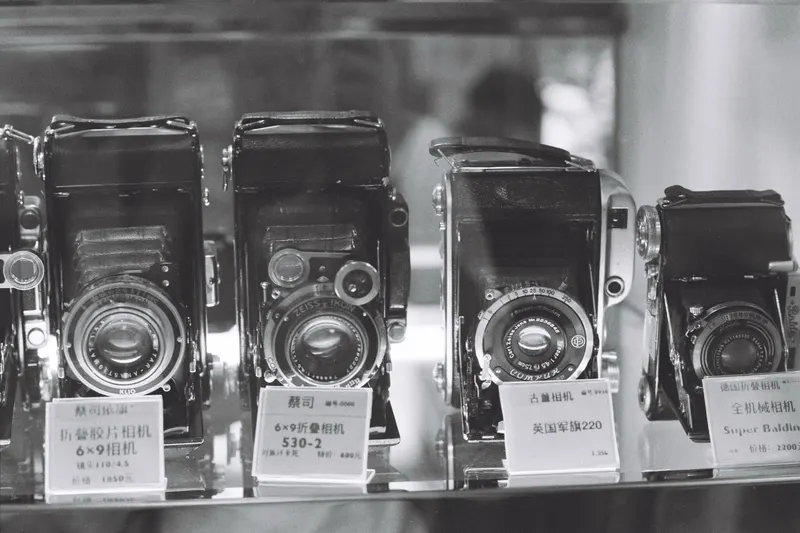
How the camera obscura and silver chemistry produced photography in the nineteenth century, from Niépce and Daguerre to roll film and the digital sensor.
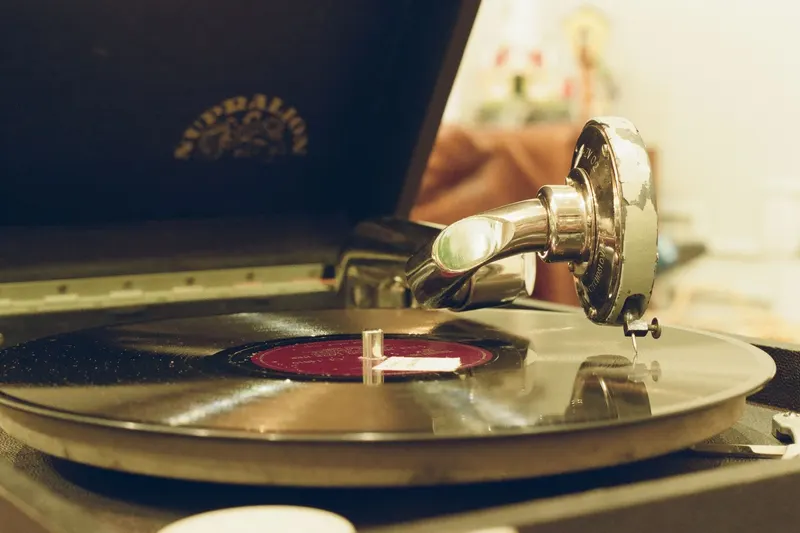
From the 1857 phonautograph to Edison's phonograph, Berliner's disc, magnetic tape, the cassette, the CD, and the MP3: the technical path of recorded sound.
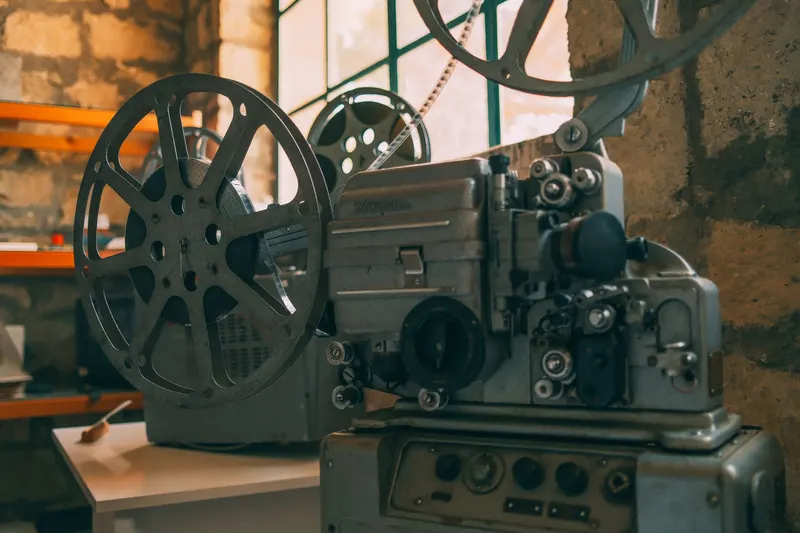
The technical history of cinema, from optical toys and chronophotography to the 1895 projectors, synchronized sound, Technicolor, and the problem of film preservation.
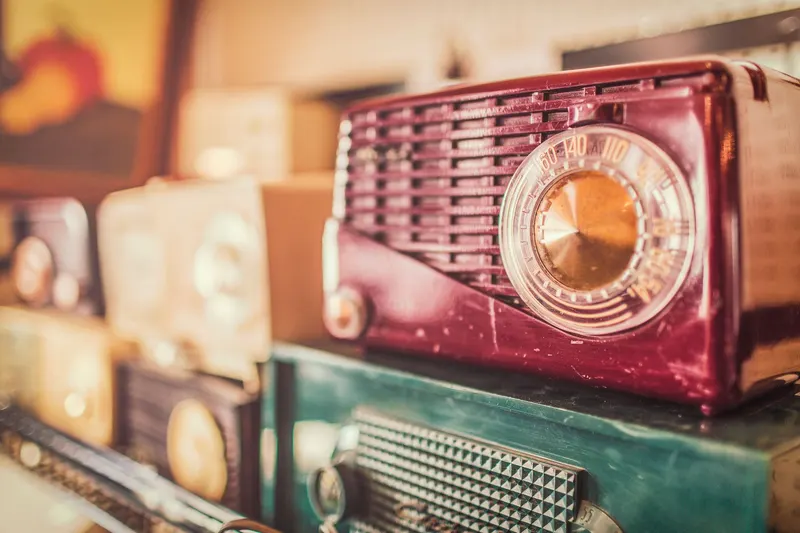
How the theory of electromagnetic waves became ship-to-shore wireless telegraphy and then broadcasting, with patent disputes, the vacuum tube, FM, and spectrum regulation.
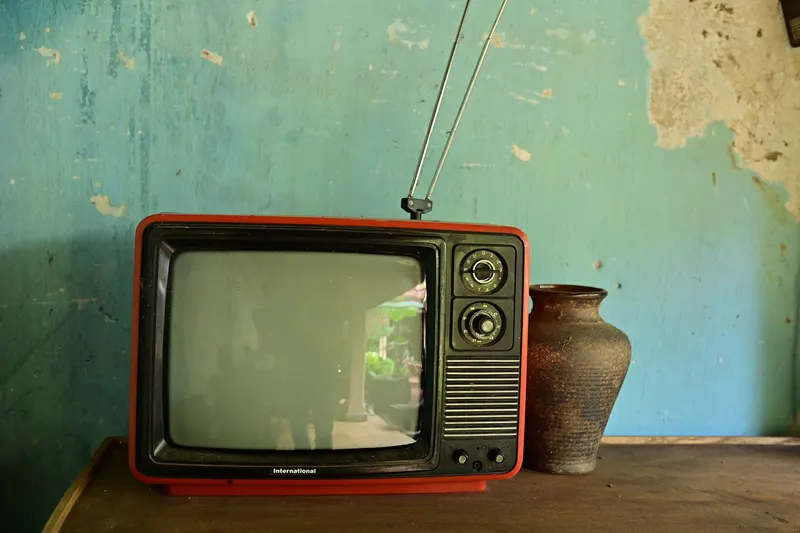
The technical history of television, from Nipkow and Baird's mechanical scanning to electronic tubes, patent disputes, color, satellites, Brazilian TV, and digital broadcasting.
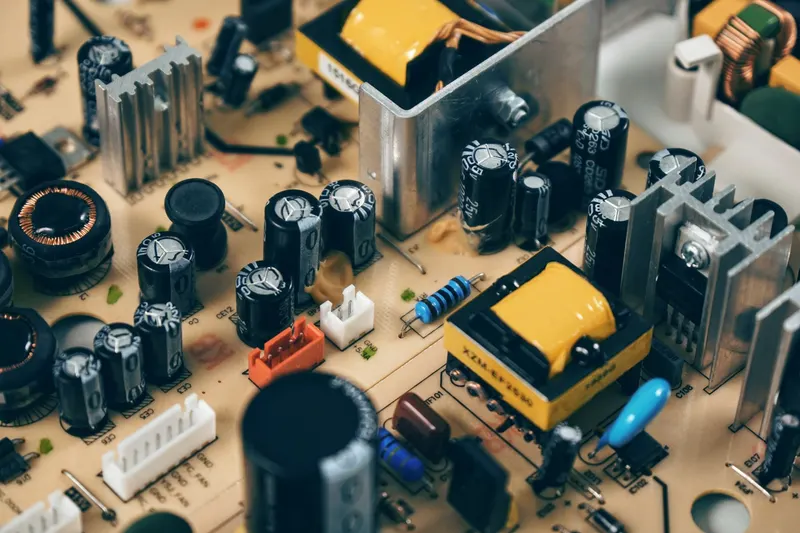
First demonstrated at Bell Labs in December 1947, the transistor replaced vacuum tubes in many roles and made electronics smaller, sturdier and far less power-hungry.
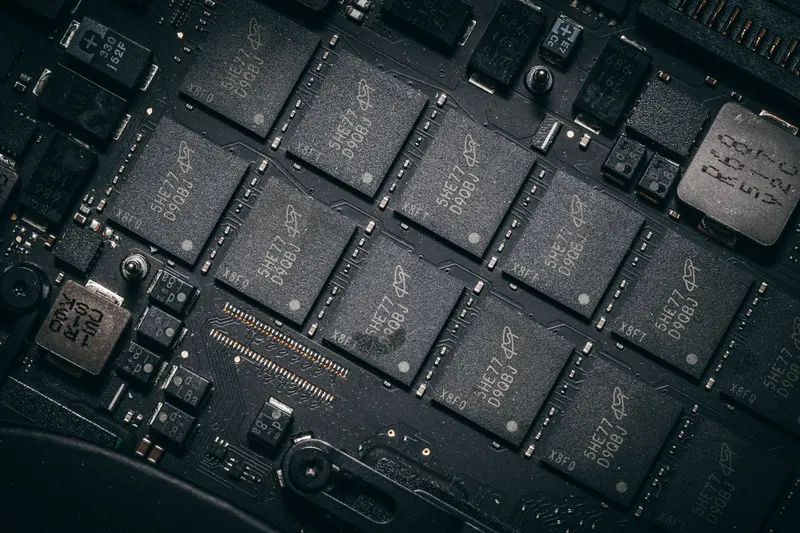
In 1958 and 1959, Jack Kilby and Robert Noyce found ways to build a whole circuit in one piece of semiconductor, ending the hand-wiring of components.
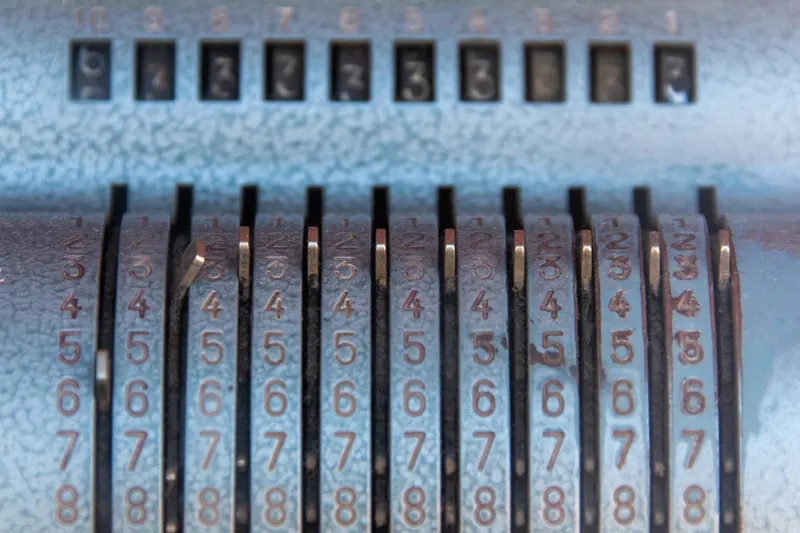
From the 17th century to 1951, mechanical calculators, punched cards and wartime projects led to the first electronic computers and the stored program.
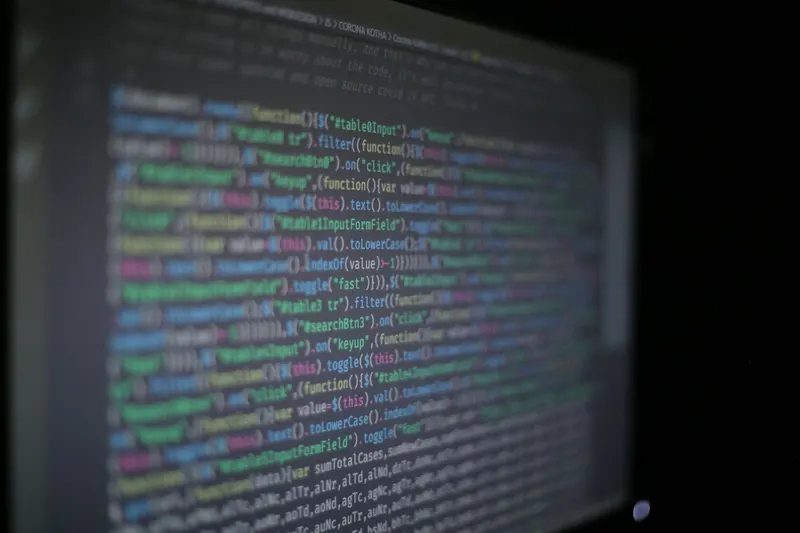
From numeric machine codes to FORTRAN, COBOL, C and Java, a history of how programming grew closer to human reasoning.
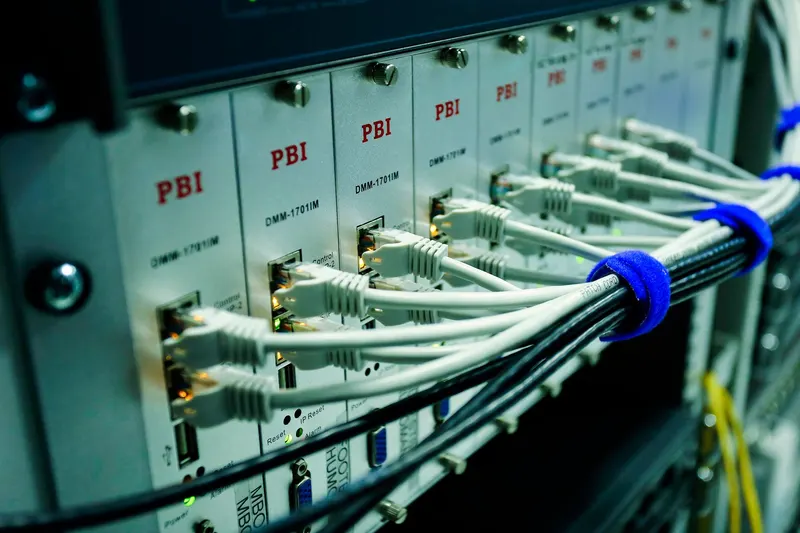
From packet switching to ARPANET, Ethernet and TCP/IP, how isolated computers began exchanging data between the 1960s and the 1980s.
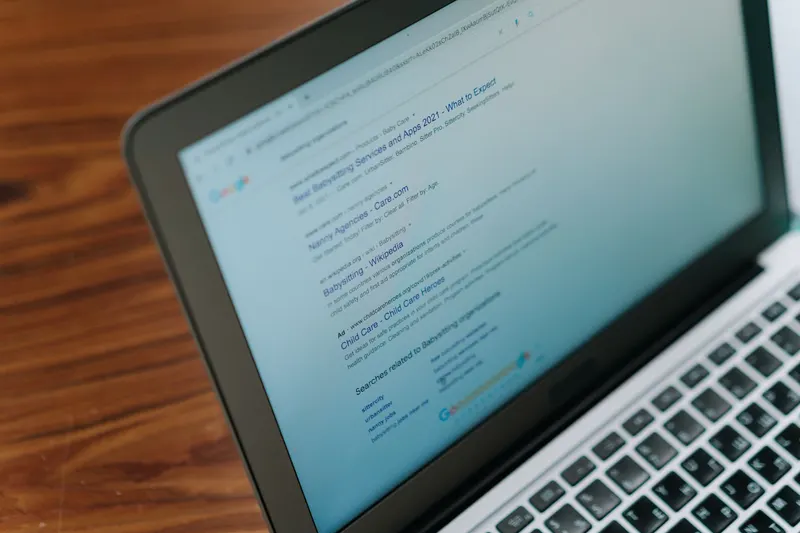
The Web began as a proposal to organize documents at CERN in 1989 and grew into a public system of linked pages, distinct from the Internet that carries it.
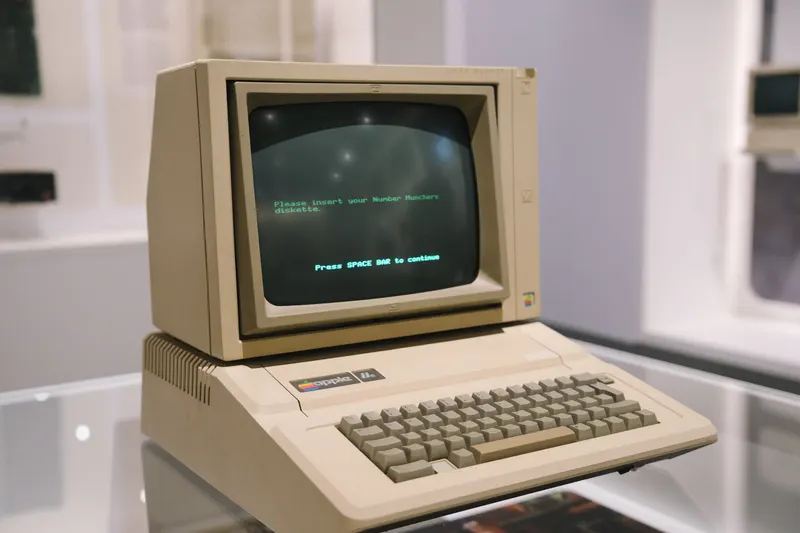
Microprocessors, build-it-yourself kits, spreadsheets, the IBM PC and graphical interfaces carried the computer from large institutions to desks and living rooms.
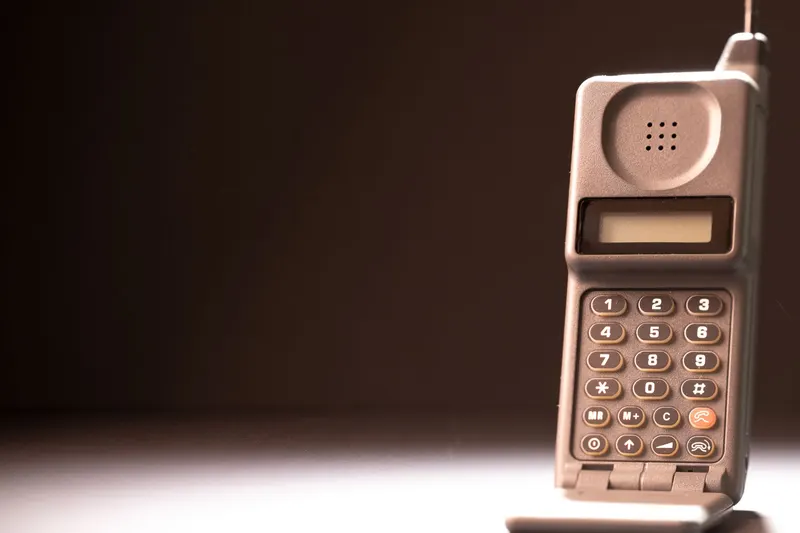
The mobile phone grew from three ideas: divide territory into cells, reuse frequencies, and shrink the handset, a path that ran from car radios to smartphones.
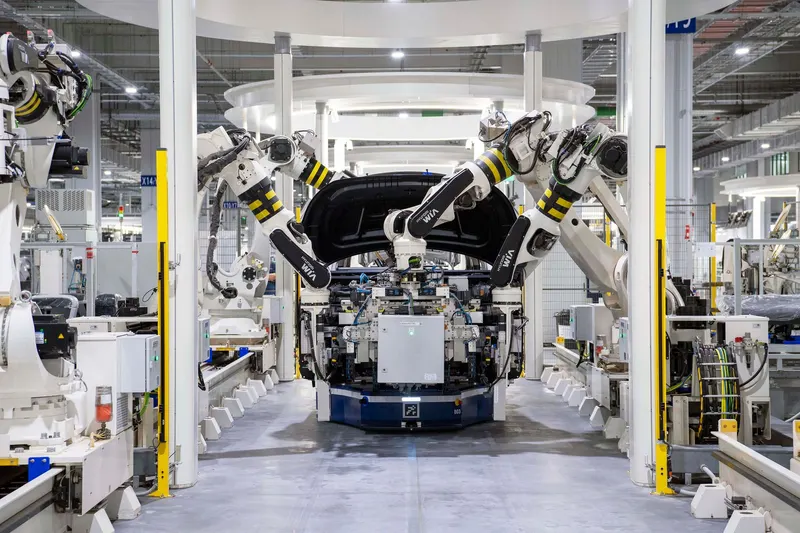
Robotics combined centuries of automatons, control theory and digital electronics to produce industrial, mobile and exploration robots whose limits remain significant.

Computational intelligence is a research field more than seventy years old, marked by cycles of enthusiasm and reassessment, rival methods and debates that remain open.