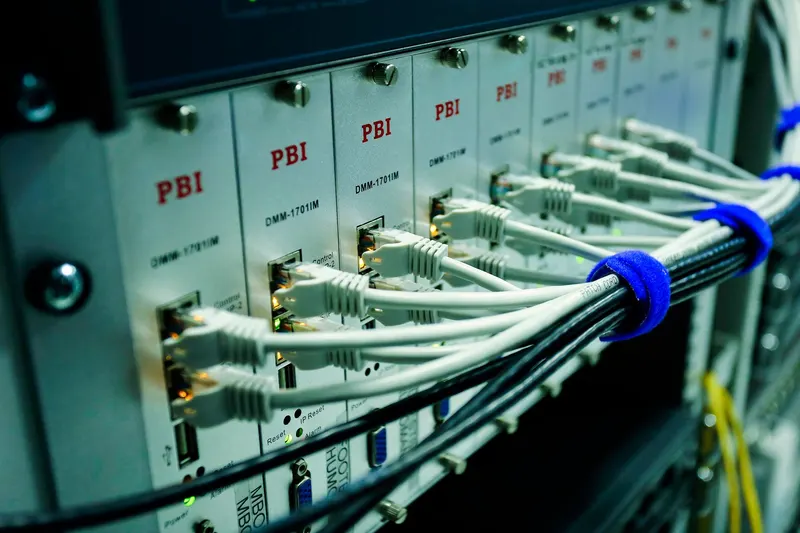
Digital networks
The Formation of the First Computer Networks
From packet switching to ARPANET, Ethernet and TCP/IP, how isolated computers began exchanging data between the 1960s and the 1980s.
Connecting computers required new ideas about how to divide, address, and deliver data. This area follows the first networks, the consolidation of common protocols, and the creation of the Web, distinguishing the physical network, the protocols, and the applications built on top of them.
From packet switching to ARPANET, Ethernet and TCP/IP, how isolated computers began exchanging data between the 1960s and the 1980s.
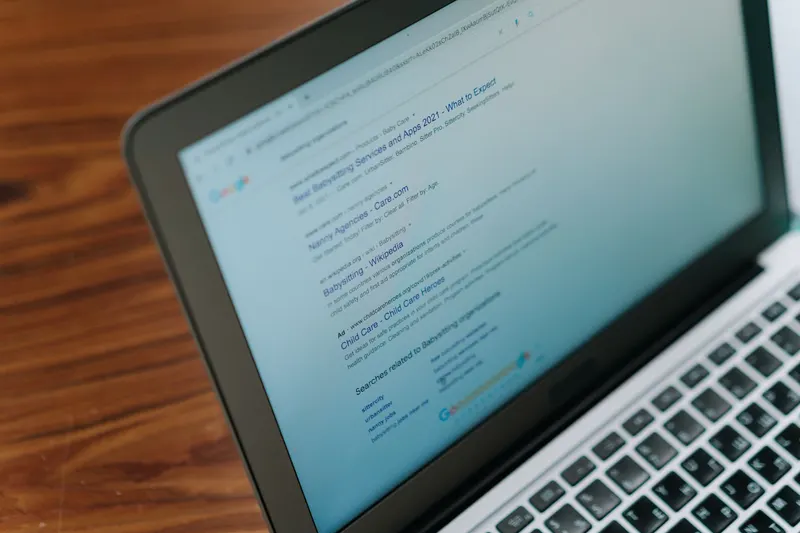
The Web began as a proposal to organize documents at CERN in 1989 and grew into a public system of linked pages, distinct from the Internet that carries it.
Between October and December 1969, the first computers are linked by the ARPANET, a network funded by the United States government.
Read: First networks →On January 1, 1983, the ARPANET officially adopts the TCP/IP protocol suite.
Read: First networks →Tim Berners-Lee proposes the system at CERN in 1989. The service becomes public in 1991.
Read: The Web →