Production and industry
Agriculture, Storage, and the Rise of New Techniques
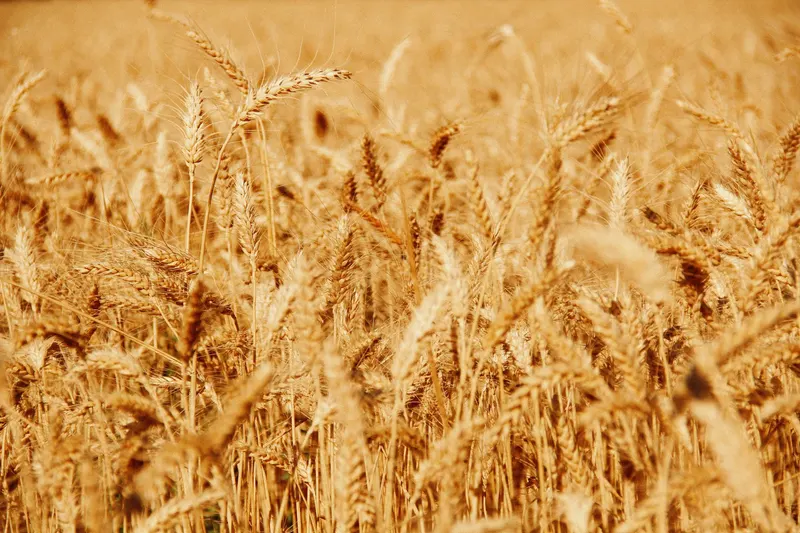
Agriculture arose gradually and independently in many regions. Granaries, sickles, grindstones, and plows brought surpluses and records, but also inequality and disease.
Producing more, with regularity and a division of tasks, is an old problem. Here are the articles on agriculture, storage, ancient engineering, factories, and the technical organization of industrialization, always paying attention to the relationship between technique, labor, and society.
Agriculture arose gradually and independently in many regions. Granaries, sickles, grindstones, and plows brought surpluses and records, but also inequality and disease.
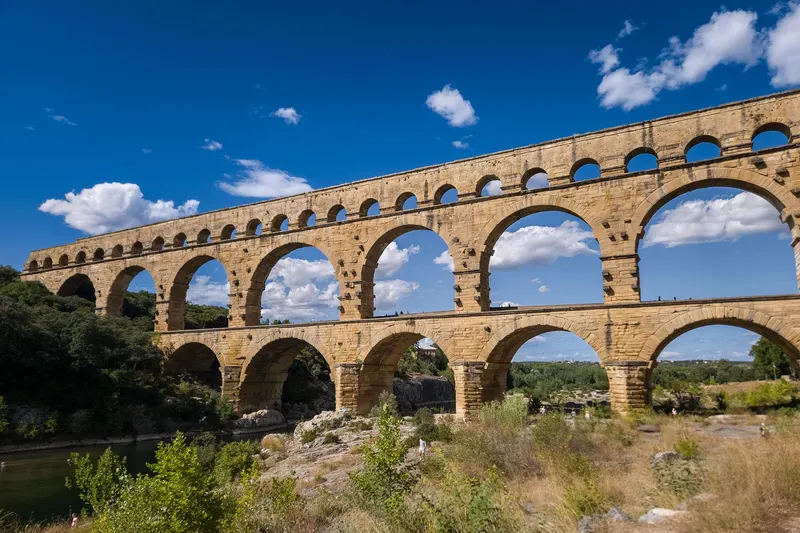
Aqueducts, roads, cranes, mills and the Antikythera Mechanism show both the reach and the limits of engineering in the ancient world.
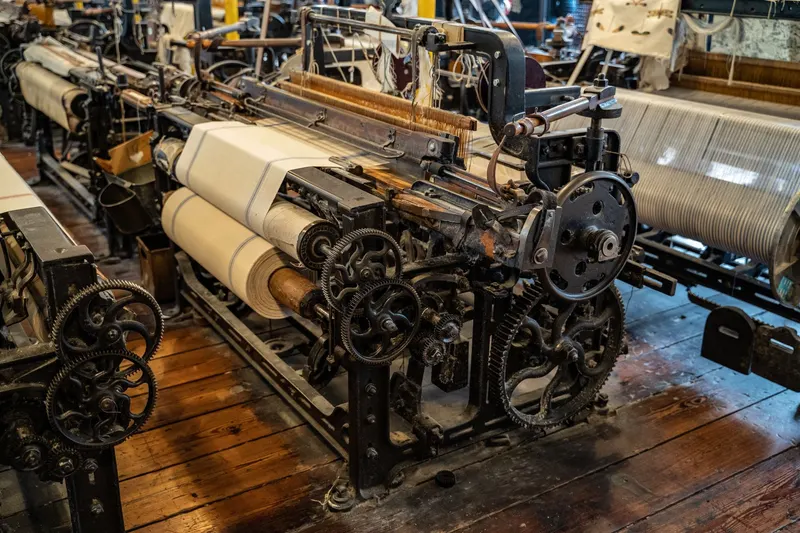
The factory brought machines, power and workers under one roof and one clock, from the spinning mills of Cromford to the assembly lines of the twentieth century.
Plants and animals were domesticated gradually and independently in different parts of the world, with no single starting date.
Read: Agriculture →Pumps, cranes, aqueducts, and precision mechanisms show the reach of classical-antiquity engineering.
Read: Ancient engineering →Richard Arkwright starts a water-powered spinning mill in England that became a model for other factories.
Read: Factories →Ford adopts the moving assembly line at Highland Park, in the United States, cutting the production time of the Model T.
Read: Factories →