Energy
The Steam Engine and the Mechanization of Labor
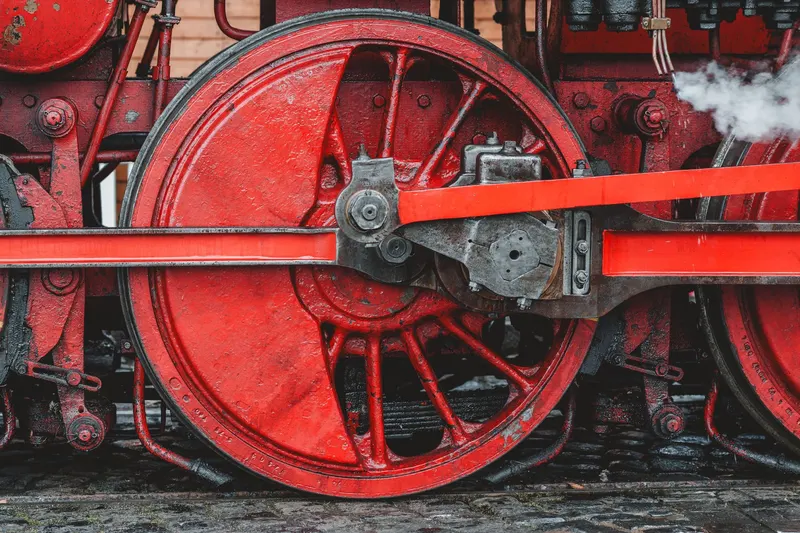
From pumping water out of English mines to driving locomotives, the steam engine was the work of many hands and gave industry power independent of rivers and muscle.
The history of machines is also the history of how power is obtained and distributed. The energy area follows the shift from human and animal effort to steam and then to electricity, looking not only at the invention of devices but at the construction of entire systems of generation and distribution.
From pumping water out of English mines to driving locomotives, the steam engine was the work of many hands and gave industry power independent of rivers and muscle.
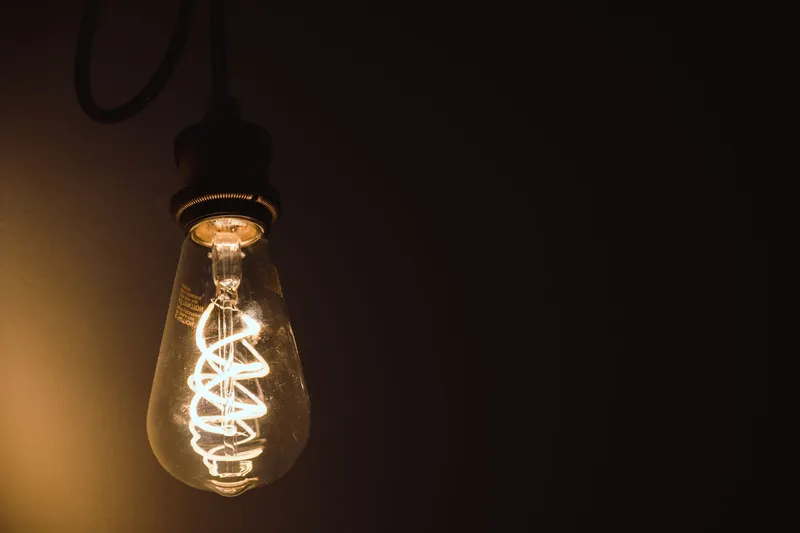
Electricity went from laboratory curiosity to a system of generation and distribution through many inventors, engineers, and commercial and patent disputes.
Thomas Newcomen installs a steam engine in England to drain mines. James Watt's improvements follow from the 1760s.
Read: Steam engine →Alessandro Volta describes the pile, the first stable source of continuous electric current.
Read: Electricity →Michael Faraday demonstrates induction, the basis of generators and motors. Joseph Henry observed similar phenomena independently.
Read: Electricity →Stations such as Holborn Viaduct in London and Pearl Street in New York begin distributing electricity for lighting.
Read: Electricity →