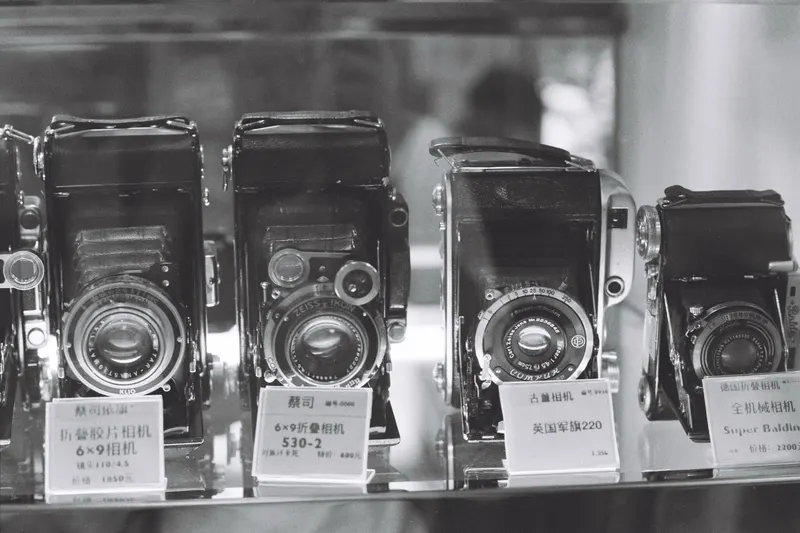
Image and sound
Photography and the Technical Recording of the Image
How the camera obscura and silver chemistry produced photography in the nineteenth century, from Niépce and Daguerre to roll film and the digital sensor.
For a long time, fixing an image or keeping a sound and playing it back later was impossible. The articles in this area tell how chemical, mechanical, and electronic processes made it possible to record light and moving air, and how that transformed memory, work, and entertainment.
How the camera obscura and silver chemistry produced photography in the nineteenth century, from Niépce and Daguerre to roll film and the digital sensor.
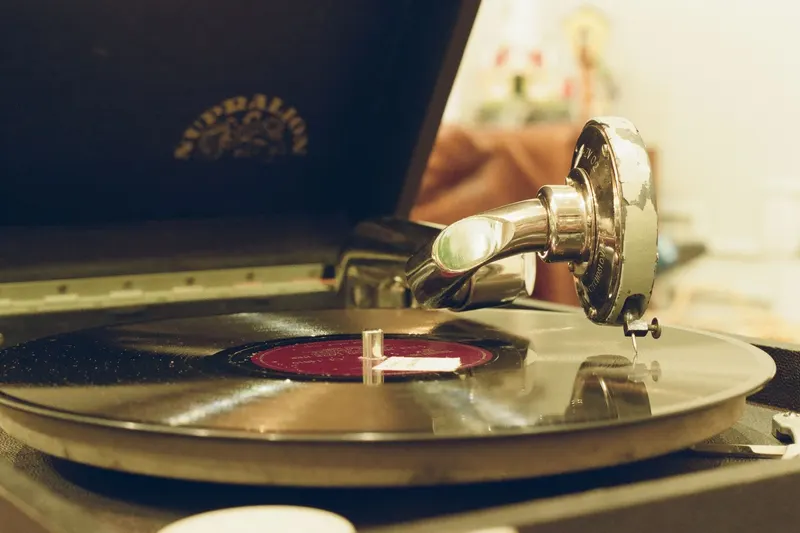
From the 1857 phonautograph to Edison's phonograph, Berliner's disc, magnetic tape, the cassette, the CD, and the MP3: the technical path of recorded sound.
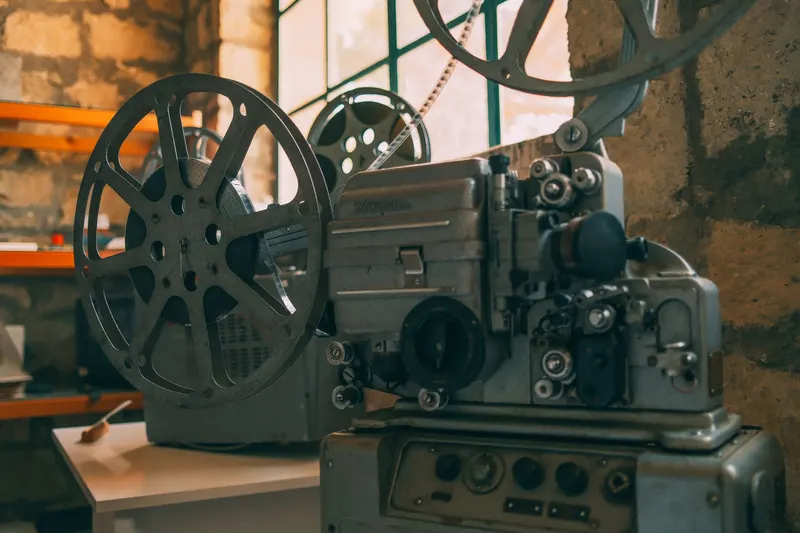
The technical history of cinema, from optical toys and chronophotography to the 1895 projectors, synchronized sound, Technicolor, and the problem of film preservation.
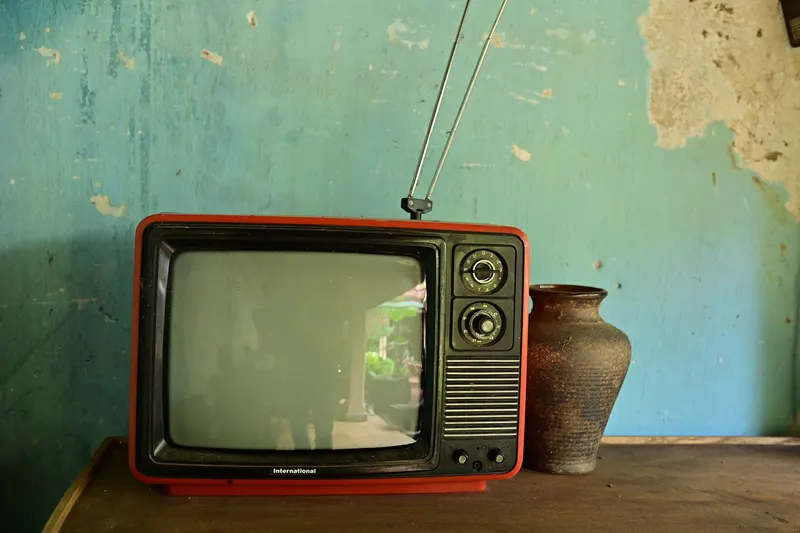
The technical history of television, from Nipkow and Baird's mechanical scanning to electronic tubes, patent disputes, color, satellites, Brazilian TV, and digital broadcasting.
Louis Daguerre's process is presented publicly in France, following earlier experiments such as those of Nicéphore Niépce.
Read: Photography →Thomas Edison presents a device that can record and play back sound. The 1857 phonautograph had only recorded sound visually.
Read: Sound recording →The Lumière brothers hold a paid screening in Paris on December 28, 1895. Other inventors demonstrated systems in the same years.
Read: Cinema →The BBC begins a regular television service, one of the first in the world.
Read: Television →