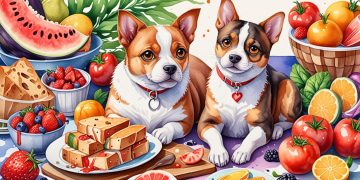
Forbidden Foods: What Should Never Be Offered to Pets
Pet owners must be aware of the significant health risks associated with sharing certain human foods, such as chocolate, onions, grapes, and xylitol. These forbidden foods can lead to severe complications, making education essential in promoting pet safety and ensuring a healthy, harmonious life with our furry companions.
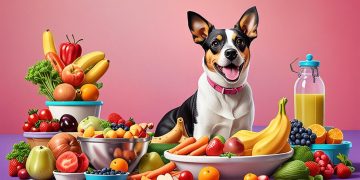
The Importance of a Balanced Diet for Dog Health
A balanced diet is crucial for dog health, impacting energy levels, mood, and longevity. Essential nutrients like proteins, fats, carbohydrates, vitamins, and minerals work together to promote overall well-being. Understanding these components helps pet owners make informed nutritional choices, ensuring a happier and healthier life for their furry companions.
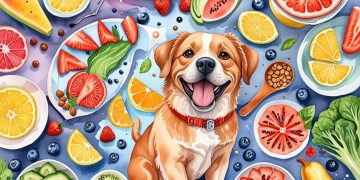
Customized Diets for Pets: How to Create an Individualized Nutritional Plan
Discover how to enhance your pet's health and well-being through customized diets. Tailoring an individualized nutritional plan based on breed, age, and health needs can improve energy levels, manage weight, and prevent ailments. Invest in your pet’s happiness with a personalized approach to nutrition.
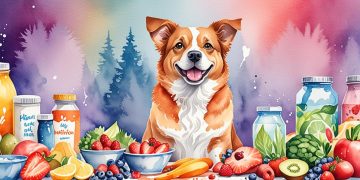
How Nutrition Influences Pet Behavior
Understanding the role of nutrition in pet behavior highlights how dietary choices influence energy levels, social interactions, and learning capabilities. A balanced diet rich in essential nutrients fosters emotional well-being, improving behavior and strengthening the bond between pets and owners. Prioritizing healthy ingredients can lead to happier, well-adjusted companions.
Dietary Supplements for Pets: When and How to Use
Pet dietary supplements are increasingly popular for enhancing health and vitality. Tailored to address various needs, such as immune support, joint health, and coat quality, proper usage involves understanding your pet's specific requirements. Consulting a veterinarian ensures safe and effective integration into your pet's diet for improved well-being.
The Benefits of Organic Food for Pets: Myths and Truths
The growing interest in organic food for pets highlights its potential health benefits, environmental impact, and ingredient quality. However, pet owners must navigate prevalent myths and misconceptions. Informed choices about organic diets can enhance pet well-being while promoting sustainable practices in pet nutrition, ensuring a healthy life for furry companions.
Natural Nutrition vs. Commercial Food: What is Better for Your Cat?
Choosing the best diet for your cat involves understanding the differences between natural nutrition and commercial food. While natural diets offer fresher ingredients and customization, commercial options provide convenience and consistent nutrition. Evaluating your cat's specific needs and preferences will help you make an informed decision for optimal feline health.
The Influence of Age on Pet Nutrition: What to Change Over the Years
Understanding the influence of age on pet nutrition is vital for optimal pet health. As pets grow, their dietary needs shift significantly through life stages—from high-energy requirements in puppies to specialized diets for seniors. Tailoring nutrition promotes longevity and enhances overall well-being, ensuring joyful companionship throughout their lives.

The Importance of Behavioral Training for Dogs: Building a Healthy Relationship
Behavioral training is essential for strengthening the bond between dogs and their owners. It fosters trust, enhances communication, and reduces behavioral issues. By promoting socialization and utilizing positive reinforcement, owners can create a secure, well-adjusted environment, ultimately leading to a healthier and more fulfilling relationship with their dogs.
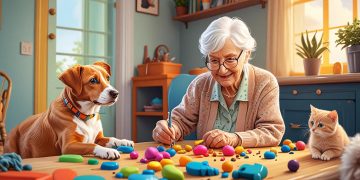
Behavioral Training for Senior Pets: Adaptations and Effective Approaches
This article explores effective adaptations in behavioral training for senior pets, addressing their unique needs due to aging. It highlights the importance of positive reinforcement, mental stimulation, and tailored approaches to foster communication, build confidence, and enhance the overall quality of life for aging companions.