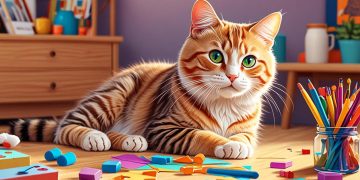
Positive Reinforcement Techniques in Cat Training
Training your cat using positive reinforcement techniques fosters a deeper bond while promoting desired behaviors. By rewarding good actions with treats, praise, or play, you create a supportive learning environment. This approach not only enhances your cat's behavior but also nurtures trust and reduces fear, resulting in a happier, well-adjusted pet.

The Importance of Nonverbal Communication in Pet Training
Effective pet training hinges on understanding nonverbal communication, including body language, gestures, and emotional cues. Mastering these elements fosters trust, enhances learning, and reduces miscommunication, leading to a more harmonious bond between pets and their owners. Emphasizing nonverbal signals transforms training into an engaging experience.

How Behavioral Training Can Help Reduce Anxiety in Pets
Effective behavioral training can significantly alleviate anxiety in pets by teaching positive behaviors and coping strategies. Techniques such as positive reinforcement, desensitization, and creating structured environments foster emotional well-being. This holistic approach not only calms anxious pets but also strengthens the bond between pets and their owners, enhancing overall happiness.
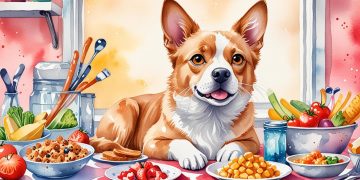
How to Choose the Ideal Food for Your Pet: Tips and Advice
Selecting the right food for your pet is essential for their health and happiness. Consider their age, breed, activity level, and dietary needs while choosing high-quality ingredients. Consulting with a veterinarian can provide tailored advice, ensuring your furry friend receives optimal nutrition for a vibrant life.
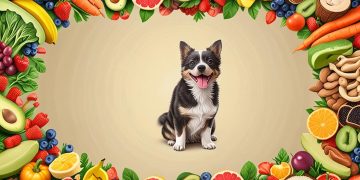
Natural Foods vs. Commercial Feed: What is Better for Your Animal?
Animal owners face a crucial decision between natural foods and commercial feed for their pets. Natural diets offer higher nutritional quality and fewer additives, while commercial options provide convenience and consistency. Understanding the unique needs of your animal is essential for making informed choices that promote their health and well-being.
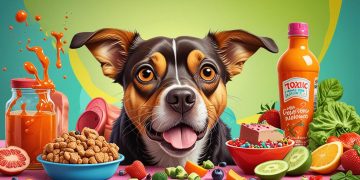
Toxic Foods for Animals: What to Avoid in Your Pet’s Diet
Protecting your pets begins with understanding toxic foods that can harm them. Common human, natural, and processed items like chocolate, grapes, and xylitol may pose serious health risks. Educating yourself on what to avoid is essential for ensuring your furry friend's safety and well-being.
Nutritional Supplements: When and How to Use in Pet Feeding
Explore the essential role of nutritional supplements in enhancing pet health. Learn when and how to incorporate these valuable additions into your pet's diet, focusing on age, lifestyle, and specific health needs. With proper guidance and quality products, optimize your furry friend's nutrition for a longer, healthier life.
Special Diets for Pets with Special Nutritional Needs
Understanding special diets for pets with unique nutritional needs is crucial for their health and well-being. Tailored nutrition helps manage allergies, chronic illnesses, and age-related issues, enhancing overall quality of life. Consulting with veterinarians and observing signs of dietary needs can lead to informed choices and better care for your furry companions.
The Evolution of Pet Diets: Modern Trends in Animal Nutrition
The evolution of pet diets has led to modern trends emphasizing quality and personalization. Pet owners now seek grain-free, raw, and customized nutrition plans while prioritizing health-focused ingredients. This shift reflects greater awareness of animal nutrition and fosters informed choices, ensuring the well-being of our beloved furry companions.
How to Adapt Your Pet’s Diet to Different Life Stages
Pets experience shifting nutritional needs throughout their life stages, from the high-protein diets required for growing puppies and kittens to the balanced nutrition for adults, and lower-calorie diets for senior pets. Adjusting their diet based on age, breed, and health is essential for promoting longevity and overall well-being.