Communication
The Printing Press and Large-Scale Reproduction
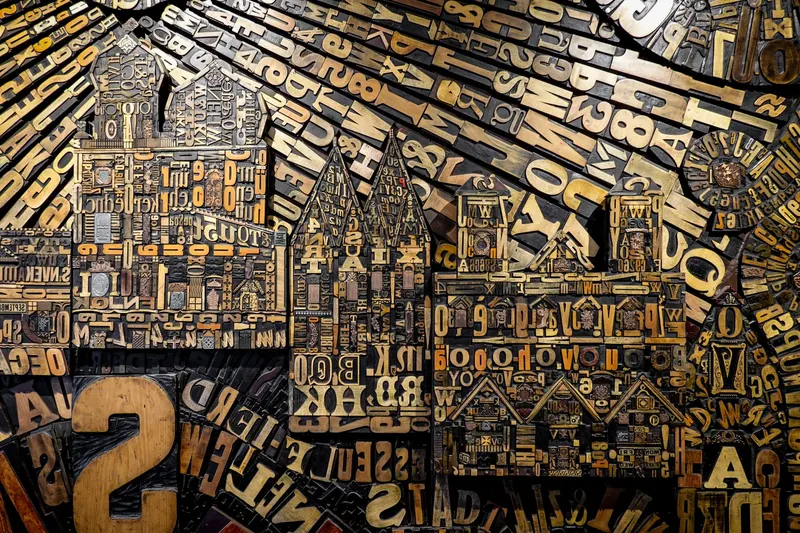
Movable type had Asian antecedents; in Mainz, Gutenberg's workshop combined a type mold, alloy, ink and press into a system for producing books.
Between late antiquity and the threshold of industrialization, techniques traveled along trade and cultural routes linking Asia, Africa, and Europe. This interval includes the spread of paper, navigation instruments such as the compass and the astrolabe, movable-type printing in Europe, and the first steam pumping engines.
Movable type had Asian antecedents; in Mainz, Gutenberg's workshop combined a type mold, alloy, ink and press into a system for producing books.
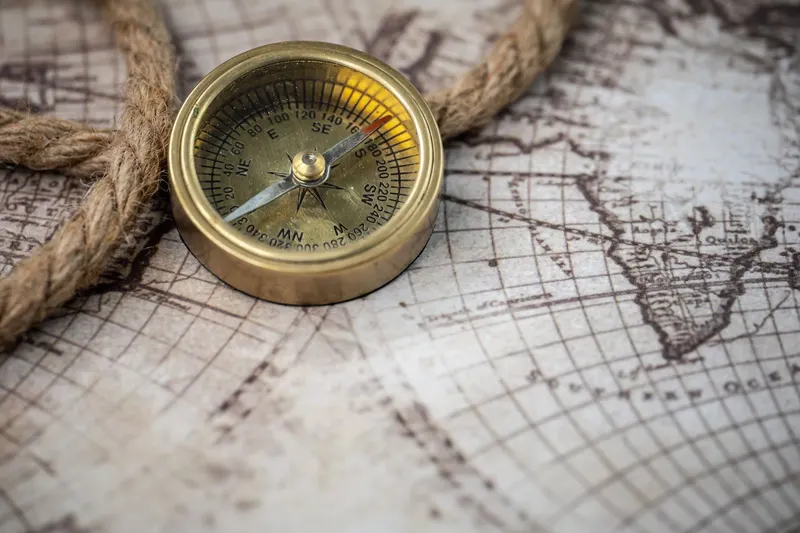
From Polynesian wayfinding to the astrolabe, the compass and Harrison's chronometer, navigation combined observation, instruments and charts to cut risk at sea.
Chinese records from the eleventh century and European ones from the twelfth and thirteenth describe the magnetic needle used for orientation.
Read: Navigation →The Jikji is the oldest known surviving book printed with movable metal type.
Read: Printing press →Johannes Gutenberg and collaborators develop a system of movable metal type, press, and ink suited to Europe. The 42-line Bible dates to about 1455.
Read: Printing press →Thomas Newcomen installs a steam engine in England to drain mines. James Watt's improvements follow from the 1760s.
Read: Steam engine →