Computing
The Transistor and the Miniaturization of Circuits
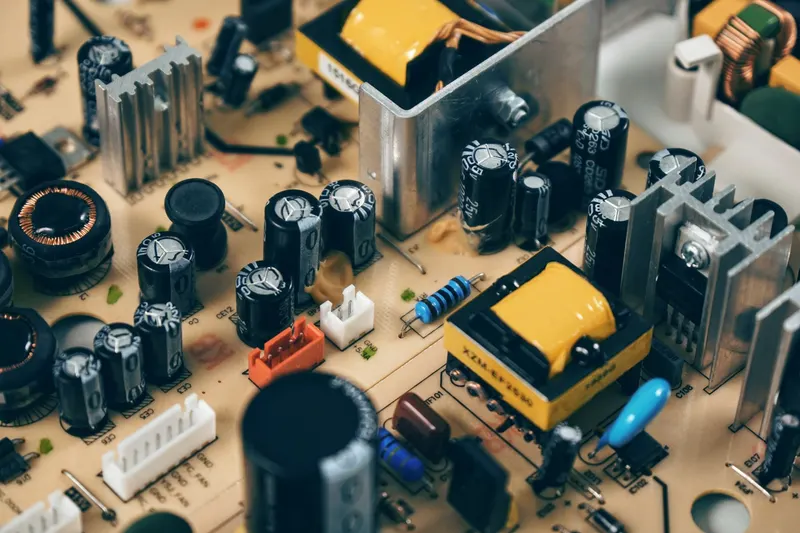
First demonstrated at Bell Labs in December 1947, the transistor replaced vacuum tubes in many roles and made electronics smaller, sturdier and far less power-hungry.
From the postwar years to the end of the 1980s, the transistor and the integrated circuit made electronics smaller, cheaper, and more reliable. Programming languages, the first computer networks, personal computers, cellular phones, industrial robots, and the first artificial intelligence programs all emerged.
First demonstrated at Bell Labs in December 1947, the transistor replaced vacuum tubes in many roles and made electronics smaller, sturdier and far less power-hungry.
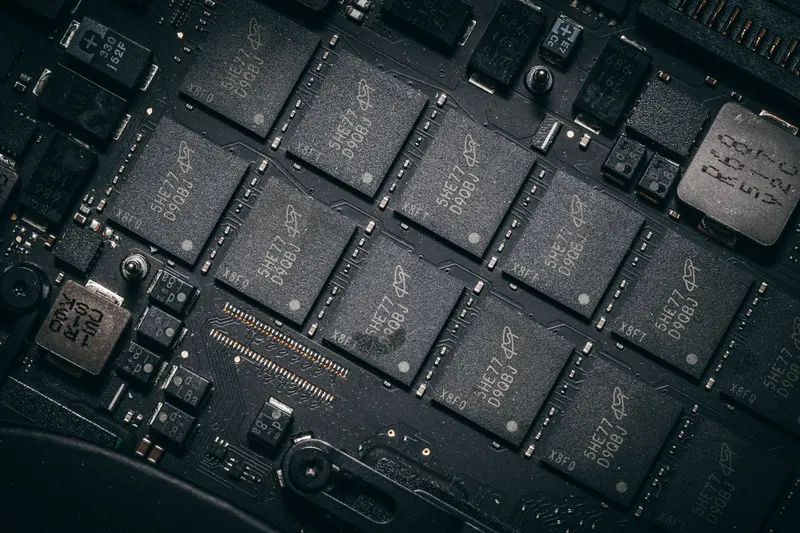
In 1958 and 1959, Jack Kilby and Robert Noyce found ways to build a whole circuit in one piece of semiconductor, ending the hand-wiring of components.
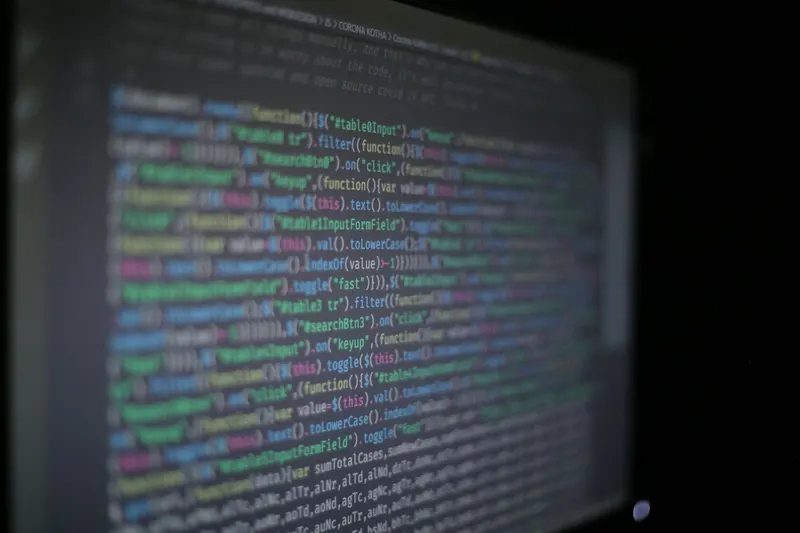
From numeric machine codes to FORTRAN, COBOL, C and Java, a history of how programming grew closer to human reasoning.
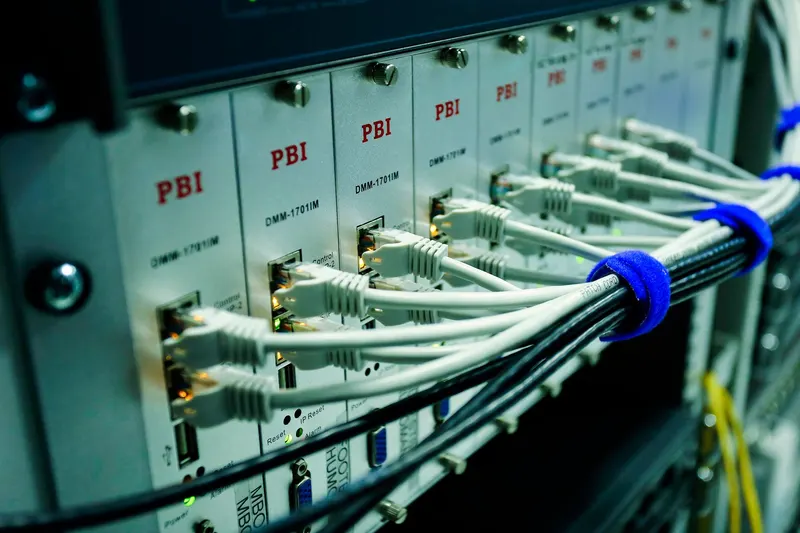
From packet switching to ARPANET, Ethernet and TCP/IP, how isolated computers began exchanging data between the 1960s and the 1980s.
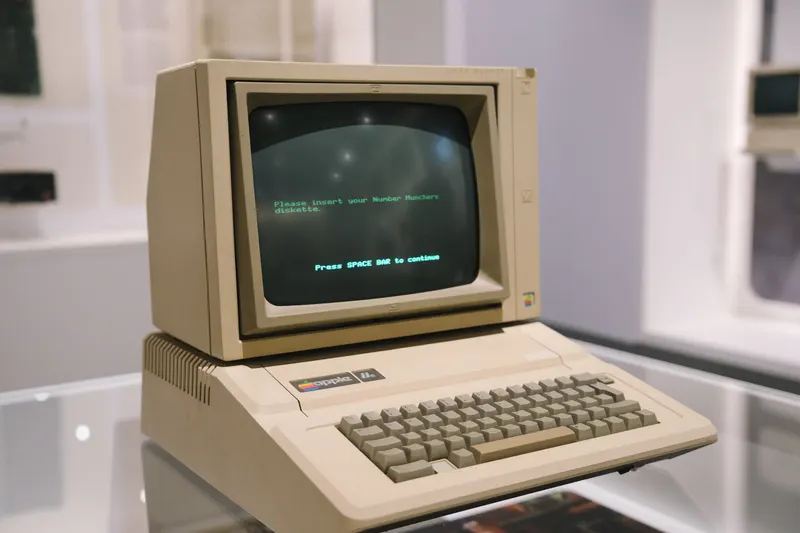
Microprocessors, build-it-yourself kits, spreadsheets, the IBM PC and graphical interfaces carried the computer from large institutions to desks and living rooms.
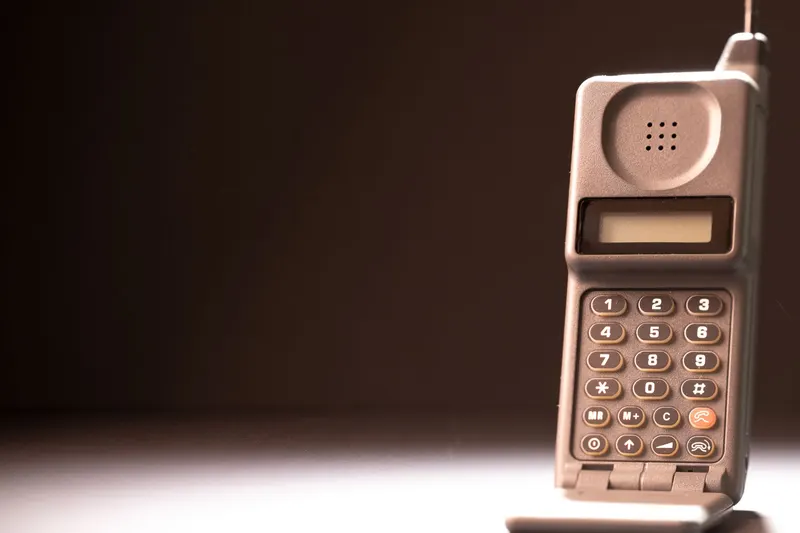
The mobile phone grew from three ideas: divide territory into cells, reuse frequencies, and shrink the handset, a path that ran from car radios to smartphones.
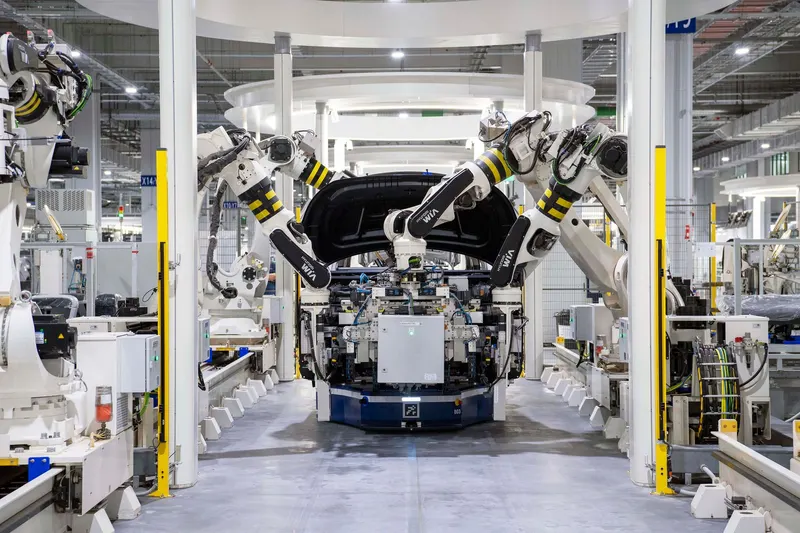
Robotics combined centuries of automatons, control theory and digital electronics to produce industrial, mobile and exploration robots whose limits remain significant.
The electronic computer ENIAC, built at the University of Pennsylvania, is presented in February 1946.
Read: First computers →John Bardeen and Walter Brattain demonstrate the point-contact transistor. William Shockley soon proposes the junction transistor.
Read: Transistor →Researchers gathered at Dartmouth popularize the term "artificial intelligence." Alan Turing had already published a paper on thinking machines in 1950.
Read: Computational intelligence →IBM makes FORTRAN available, one of the first widely used high-level programming languages.
Read: Programming languages →Jack Kilby of Texas Instruments demonstrates an integrated circuit in 1958. Robert Noyce of Fairchild proposes a planar silicon version in 1959.
Read: Integrated circuits →A Unimate robot is installed at a General Motors plant in the United States.
Read: Robotics →Between October and December 1969, the first computers are linked by the ARPANET, a network funded by the United States government.
Read: First networks →Martin Cooper of Motorola places a call in April 1973 using a prototype portable cellular phone.
Read: Mobile phones →The Apple II, Commodore PET, and TRS-80 reach the market in 1977, aimed at homes and small businesses.
Read: Personal computer →IBM launches the PC, whose relatively open architecture encourages clones and third-party software.
Read: Personal computer →On January 1, 1983, the ARPANET officially adopts the TCP/IP protocol suite.
Read: First networks →