Energy
How Electricity Moved from the Laboratory to Everyday Life
Electricity went from laboratory curiosity to a system of generation and distribution through many inventors, engineers, and commercial and patent disputes.
Electricity left the laboratory for streets, homes, and factories. The telephone, cinema, radio, and television created new ways to transmit voice, image, and sound, while wars accelerated research in calculation and electronics that would lead to the first computers.
Electricity went from laboratory curiosity to a system of generation and distribution through many inventors, engineers, and commercial and patent disputes.
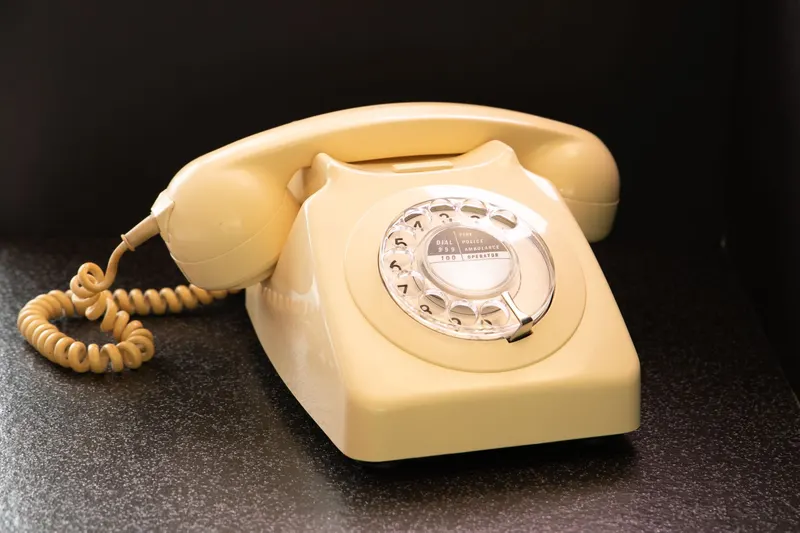
The telephone grew out of collective and contested research on sending the voice over wires, and evolved from manual switchboards to global digital networks.
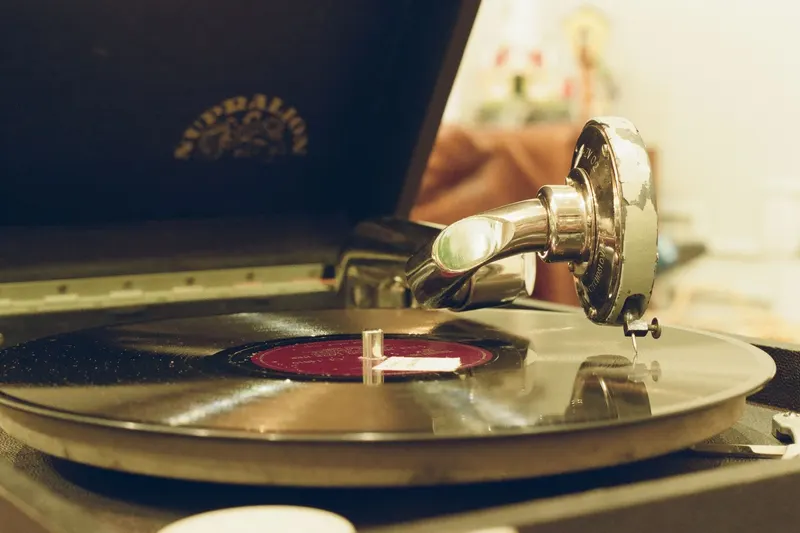
From the 1857 phonautograph to Edison's phonograph, Berliner's disc, magnetic tape, the cassette, the CD, and the MP3: the technical path of recorded sound.
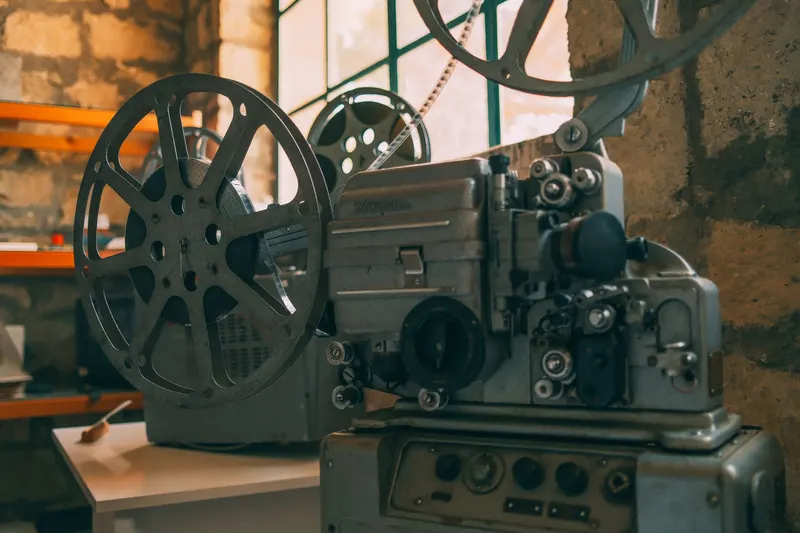
The technical history of cinema, from optical toys and chronophotography to the 1895 projectors, synchronized sound, Technicolor, and the problem of film preservation.
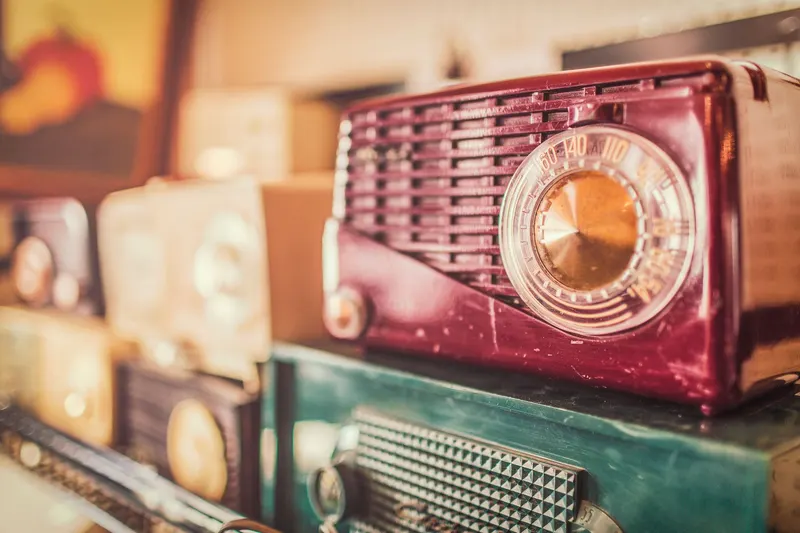
How the theory of electromagnetic waves became ship-to-shore wireless telegraphy and then broadcasting, with patent disputes, the vacuum tube, FM, and spectrum regulation.
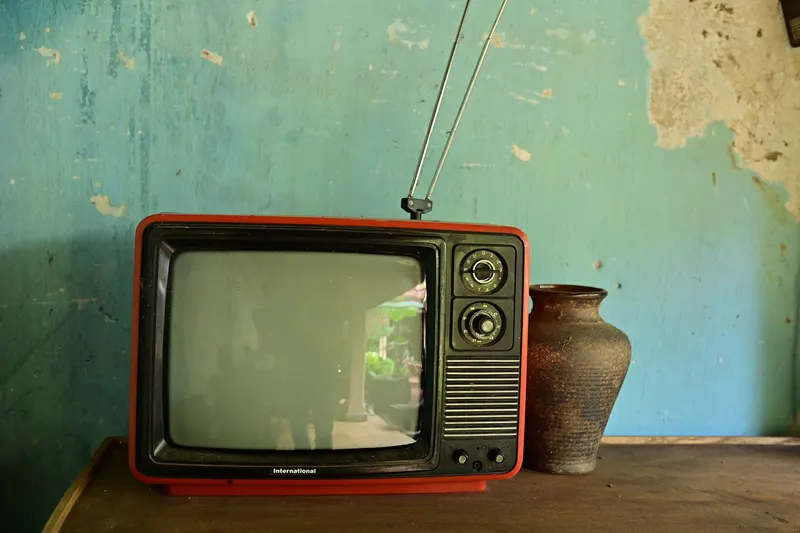
The technical history of television, from Nipkow and Baird's mechanical scanning to electronic tubes, patent disputes, color, satellites, Brazilian TV, and digital broadcasting.
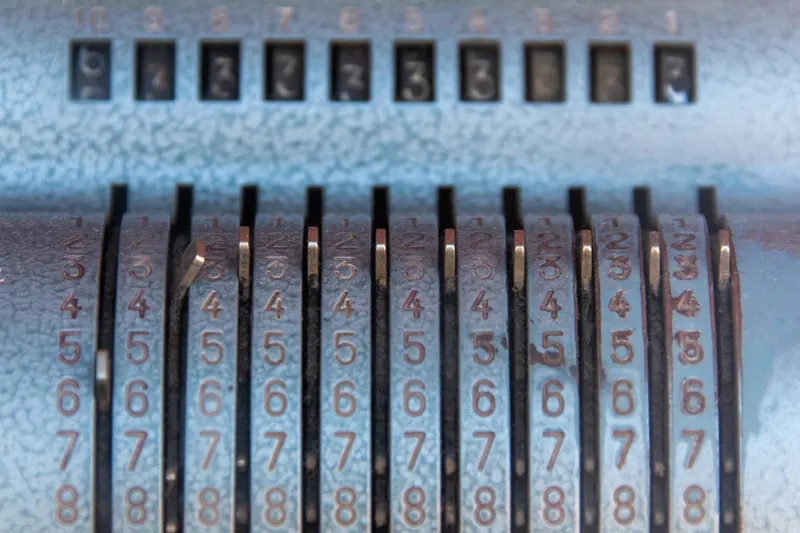
From the 17th century to 1951, mechanical calculators, punched cards and wartime projects led to the first electronic computers and the stored program.
Stations such as Holborn Viaduct in London and Pearl Street in New York begin distributing electricity for lighting.
Read: Electricity →The Lumière brothers hold a paid screening in Paris on December 28, 1895. Other inventors demonstrated systems in the same years.
Read: Cinema →Guglielmo Marconi announces reception of a signal between England and Newfoundland. The technical proof of the feat is debated.
Read: Radio →Ford adopts the moving assembly line at Highland Park, in the United States, cutting the production time of the Model T.
Read: Factories →Station KDKA in Pittsburgh begins regular broadcasts in November 1920.
Read: Radio →The BBC begins a regular television service, one of the first in the world.
Read: Television →