Energy
The Steam Engine and the Mechanization of Labor
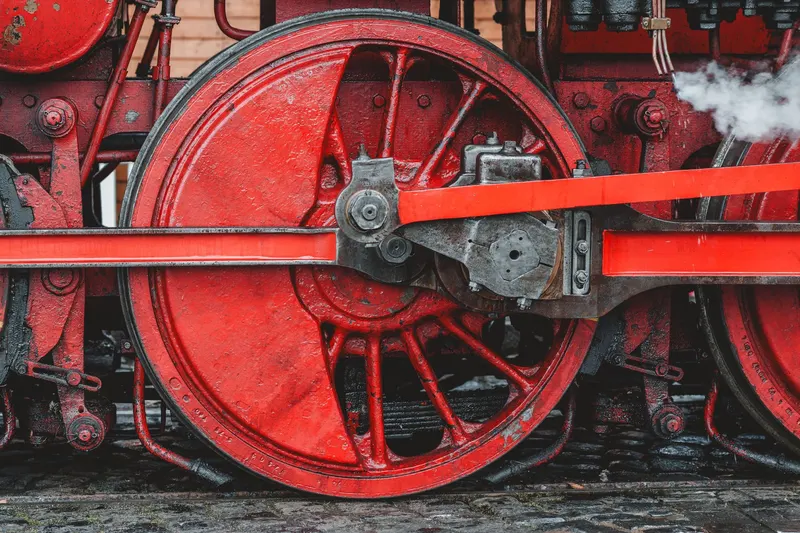
From pumping water out of English mines to driving locomotives, the steam engine was the work of many hands and gave industry power independent of rivers and muscle.
Mechanization, the use of steam, and the organization of work in factories changed production, cities, and landscapes. The first electrical communications and photography also appeared. It is a period of celebrated individual inventions, yet they rested on workshops, patents, capital, and a workforce that is often left out of the story.
From pumping water out of English mines to driving locomotives, the steam engine was the work of many hands and gave industry power independent of rivers and muscle.
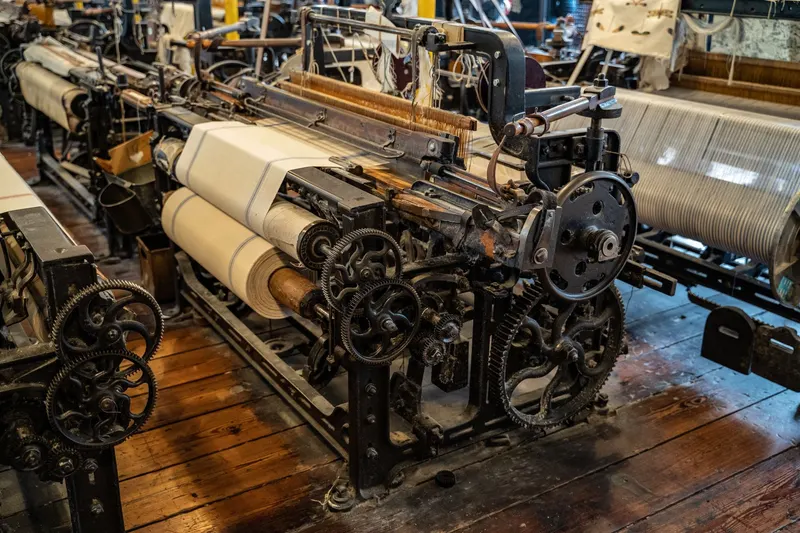
The factory brought machines, power and workers under one roof and one clock, from the spinning mills of Cromford to the assembly lines of the twentieth century.
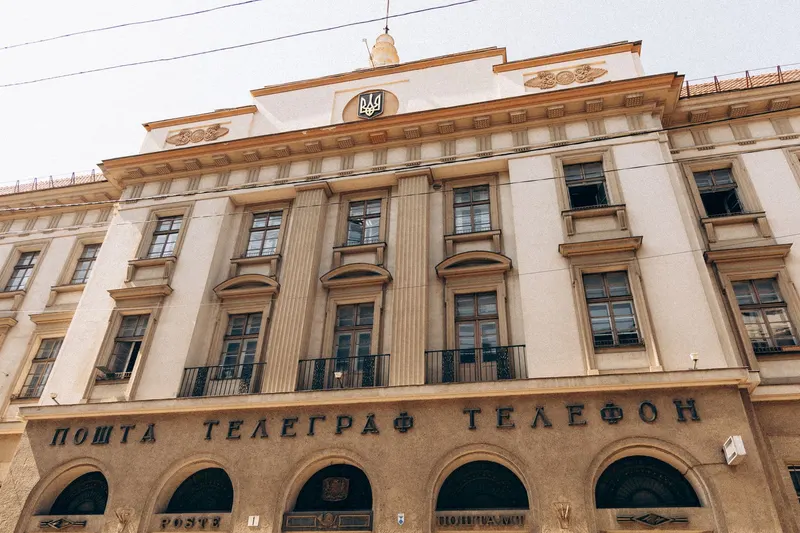
Developed by many inventors in the 1830s and 1840s, the electric telegraph made information travel faster than trains and ships and reshaped railways, the press, and markets.
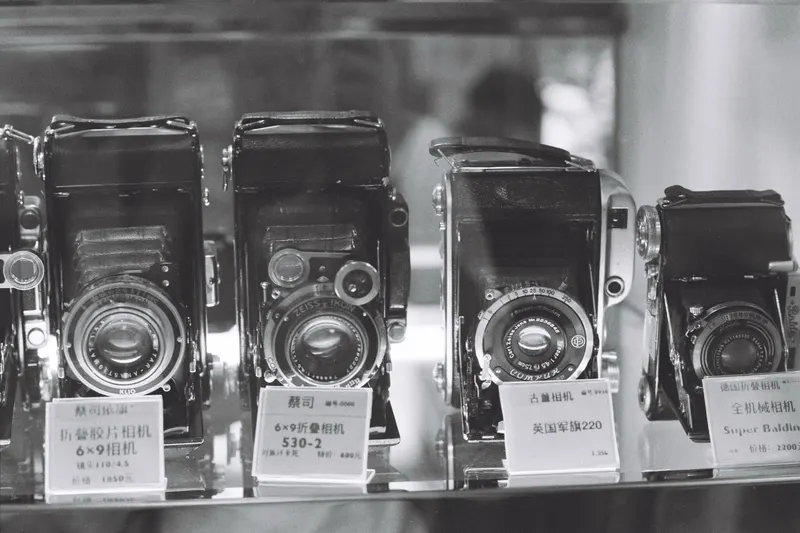
How the camera obscura and silver chemistry produced photography in the nineteenth century, from Niépce and Daguerre to roll film and the digital sensor.
John Harrison's H4 watch is tested on a sea voyage as a way to determine longitude at sea.
Read: Navigation →Richard Arkwright starts a water-powered spinning mill in England that became a model for other factories.
Read: Factories →Alessandro Volta describes the pile, the first stable source of continuous electric current.
Read: Electricity →Michael Faraday demonstrates induction, the basis of generators and motors. Joseph Henry observed similar phenomena independently.
Read: Electricity →Louis Daguerre's process is presented publicly in France, following earlier experiments such as those of Nicéphore Niépce.
Read: Photography →Cooke and Wheatstone in Britain and Morse and Vail in the United States develop systems. The Washington–Baltimore line is demonstrated in 1844.
Read: Telegraph →After the 1858 attempt failed within weeks, the 1866 cable establishes stable telegraph communication between North America and Europe.
Read: Telegraph →Alexander Graham Bell obtains a patent in the United States. Priority disputes involving Elisha Gray and Antonio Meucci remain debated.
Read: Telephone →Thomas Edison presents a device that can record and play back sound. The 1857 phonautograph had only recorded sound visually.
Read: Sound recording →