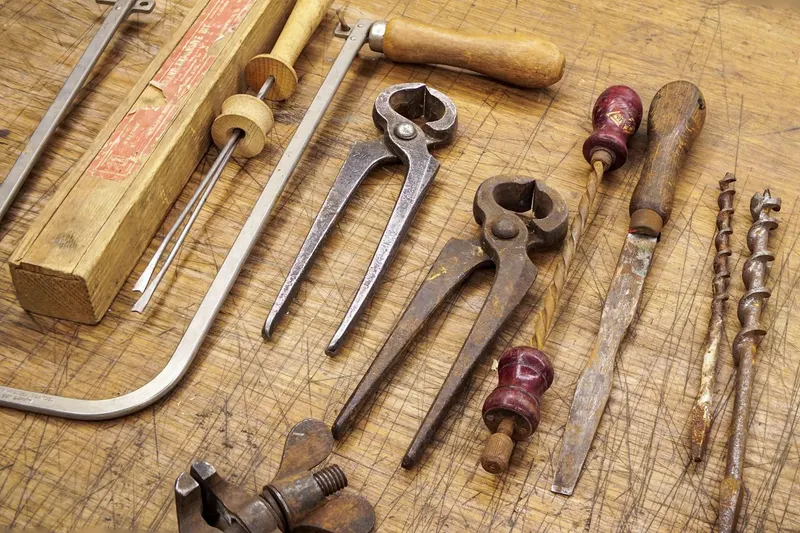
Tools and materials
What Technology Is and How Its History Can Be Studied
Technology is more than gadgets: it involves techniques, knowledge, and social organization. See how historians study it and where the evidence runs out.
The longest period in technical history runs from the first stone tools to urban societies and the great ancient empires. Dates are often approximate, and the evidence comes mainly from archaeology. Agriculture, the wheel, writing, metallurgy, and monumental engineering all appear here.
Technology is more than gadgets: it involves techniques, knowledge, and social organization. See how historians study it and where the evidence runs out.
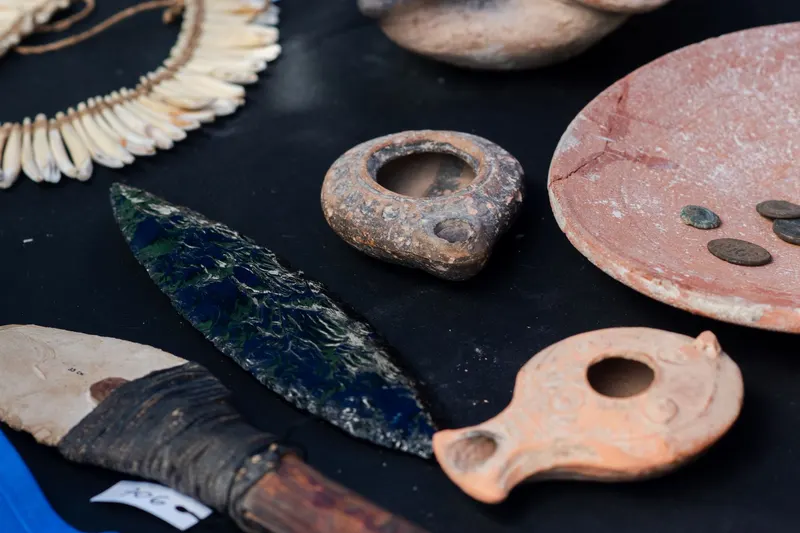
The oldest known stone tools are more than 2.5 million years old and predate Homo sapiens. See how they were made and what the evidence can and cannot tell us.
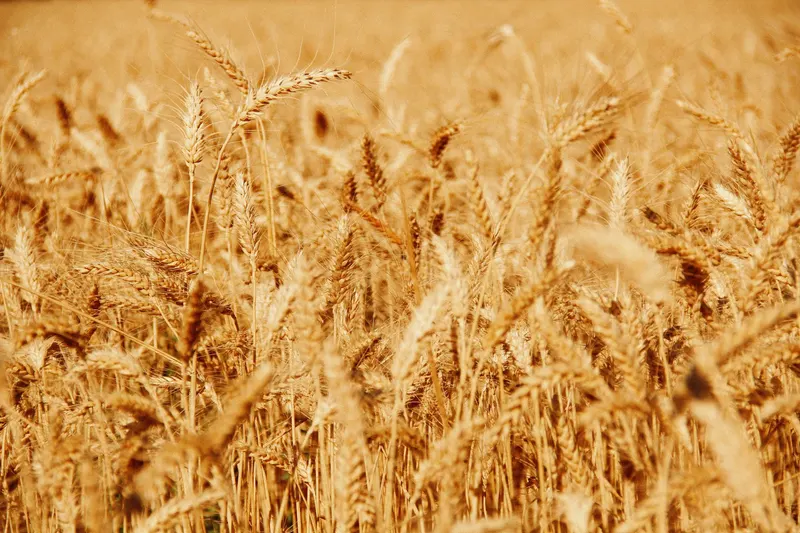
Agriculture arose gradually and independently in many regions. Granaries, sickles, grindstones, and plows brought surpluses and records, but also inequality and disease.
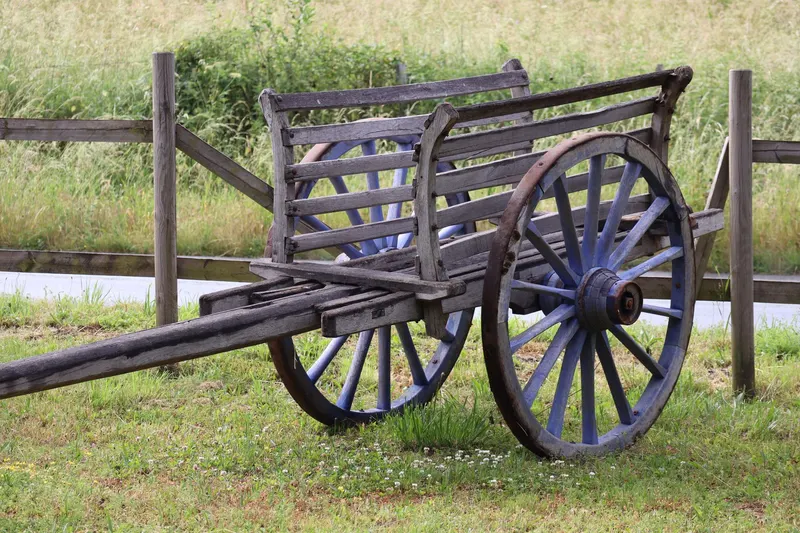
The vehicle wheel appeared in the fourth millennium BCE, with its origin debated. Axles, spokes, mills, and gears grew from it and prepared the ground for steam and factories.
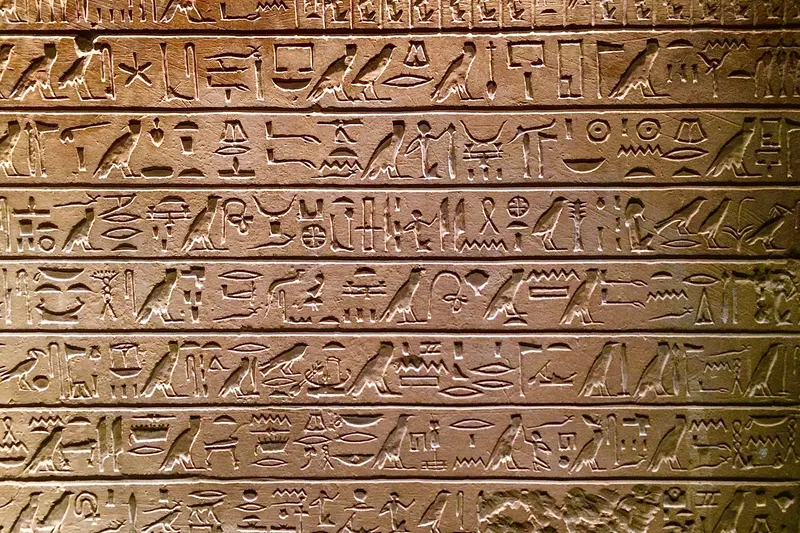
Writing arose independently in more than one region, often tied to administration. See its materials, scribes, the alphabet, and the limits of ancient literacy.
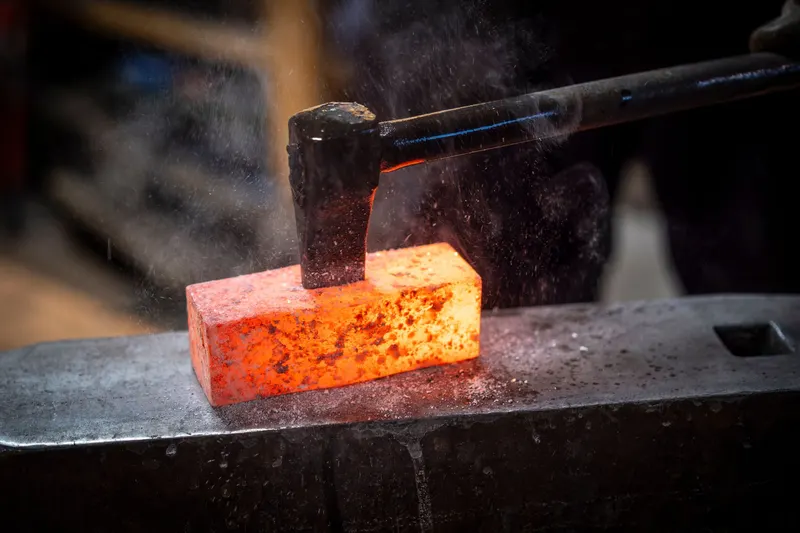
From copper smelting in southeastern Europe to iron furnaces on several continents, metallurgy gave tools, weapons and coins a material that could be melted and reshaped.

Aqueducts, roads, cranes, mills and the Antikythera Mechanism show both the reach and the limits of engineering in the ancient world.

Paper emerged in China and spread across Asia, the Islamic world and Europe, cutting the cost of writing and preparing the ground for printing.
Sets of flakes and cores associated with the so-called Oldowan industry appear in East Africa. Even older finds are debated.
Read: First tools →Plants and animals were domesticated gradually and independently in different parts of the world, with no single starting date.
Read: Agriculture →Evidence of copper smelting appears at sites in the Near East and Europe. Dates and origins remain debated.
Read: Metallurgy →Finds and depictions point to wheels on vehicles in Mesopotamia and Europe around this time. The exact origin is disputed.
Read: The wheel →Accounting tablets with numerical and pictographic signs appear in Mesopotamian cities. Other regions developed writing systems of their own.
Read: Writing →Pumps, cranes, aqueducts, and precision mechanisms show the reach of classical-antiquity engineering.
Read: Ancient engineering →Archaeological fragments indicate paper before the improvement that tradition credits to Cai Lun, around 105 CE.
Read: Paper →